Modern warehouses are becoming larger, taller, and more complex than ever before. With high-piled storage, automated systems, and increased material density, industrial facilities face new challenges in fire prevention and protection.
Recent warehouse fire incidents around the world have highlighted the importance of reliable fire protection systems and the need for advanced solutions designed for modern industrial risks.

Why Modern Warehouses Face Greater Fire Risks
Traditional warehouses mainly stored limited quantities of goods with relatively simple layouts. Today, many logistics facilities feature:
High storage racks reaching significant heights
Large storage areas with dense product arrangements
Automated storage and retrieval systems
Lithium-ion battery products and other higher-risk materials
These changes can increase fire growth rates and make fire control more challenging.
The Importance of Effective Sprinkler Systems
Automatic fire sprinkler systems remain one of the most important fire protection measures for industrial buildings.
A properly designed sprinkler system can:
Detect and respond to fire development quickly
Control fire spread before it becomes uncontrollable
Reduce property damage and operational losses
Provide additional safety for employees and emergency responders
For large warehouses, sprinkler selection must consider factors such as storage height, commodity type, building structure, and fire hazard classification.
How Advanced Sprinkler Technologies Improve Safety
Modern industrial fire protection increasingly relies on advanced sprinkler technologies, including:
ESFR Sprinklers for High-Piled Storage
Early Suppression Fast Response (ESFR) sprinklers are designed for high-challenge storage environments. They provide strong discharge performance to help suppress rapidly developing fires in warehouses and distribution centers.
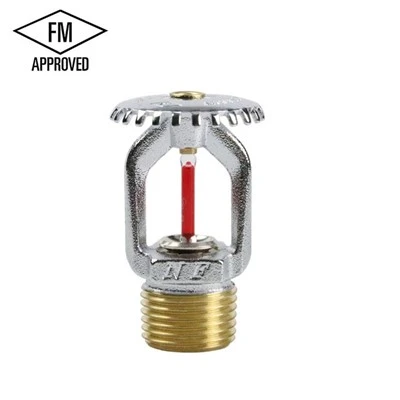
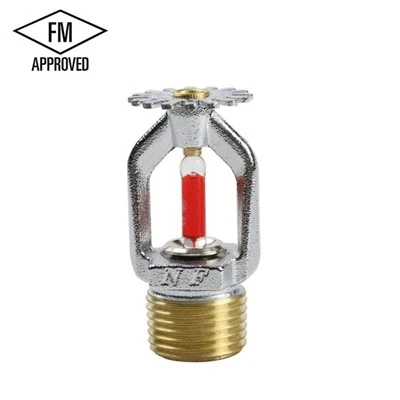
FM Approved Fire Sprinklers
For many industrial projects, certification requirements are becoming increasingly important. FM Approved sprinklers provide verified performance through rigorous testing and are often selected for facilities requiring high reliability.
Proper K-Factor Selection
The sprinkler K-factor directly affects water flow and discharge performance. Selecting the correct K-factor, such as K5.6, K8.0, or higher flow models, helps ensure the sprinkler system matches the protection requirements of the facility.
Fire Protection Trends for Future Warehouses
As industrial facilities continue to evolve, fire protection systems must also adapt. Future warehouse safety trends include:
Greater use of certified fire protection products
Improved sprinkler system design
Integration of fire detection and monitoring technologies
More focus on risk-based protection strategies
The growth of e-commerce, automated logistics, and energy storage industries will continue to increase demand for reliable industrial fire protection solutions.
Conclusion
Large-scale warehouse fires demonstrate that modern industrial facilities require more advanced approaches to fire safety. Selecting the right sprinkler system, following recognized standards, and using reliable certified products are essential steps to protecting valuable assets and ensuring operational continuity.
NONFIR provides FM Approved fire sprinkler solutions designed for industrial applications, helping customers improve fire protection reliability for modern facilities.