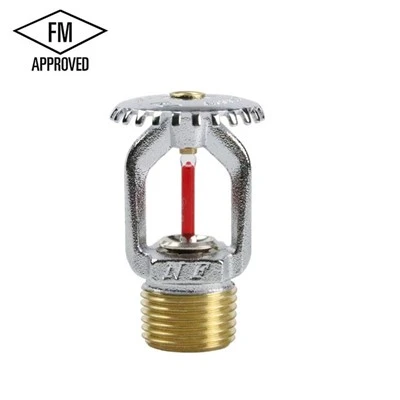
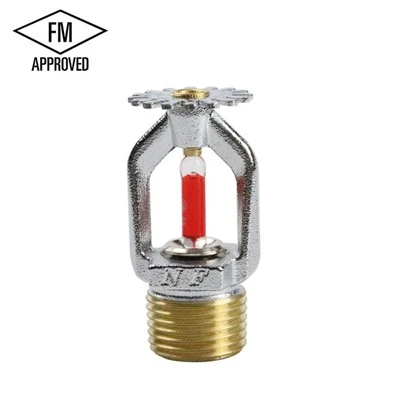
The global fire sprinkler industry is experiencing strong growth in 2026, driven by rapid expansion in warehouse construction, e-commerce logistics, industrial facilities, and cold chain storage projects. As governments and insurance providers continue strengthening fire safety requirements, demand for advanced sprinkler systems and certified fire protection equipment is increasing worldwide.
Industry analysts expect continued market growth over the next several years as modern storage facilities become larger, taller, and more automated.

E-Commerce Growth Driving Fire Protection Demand
The continued rise of e-commerce is creating major opportunities for the global fire protection industry.
Large logistics centers now require:
High-capacity sprinkler systems
ESFR protection solutions
Smart fire monitoring technology
Advanced warehouse fire engineering
Major distribution centers are being built across:
North America
Europe
Southeast Asia
Middle East markets
These modern warehouses often feature:
High-piled storage
Dense plastic commodities
Automated storage systems
Narrow aisle configurations
As fire risks increase, developers are investing more heavily in advanced suppression systems.
ESFR Sprinklers Remain a Key Industry Trend
ESFR sprinkler systems continue gaining popularity in industrial and warehouse applications.
Compared with traditional sprinkler systems, ESFR technology offers:
Faster fire suppression
Higher water discharge density
Improved protection for plastic storage
Reduced need for in-rack sprinklers
Many newly constructed logistics facilities now prioritize ESFR protection during early project design stages.
Large K-factor sprinklers such as:
K14
K16.8
K22.4
K25.2
are seeing increasing demand globally.
Cold Storage Facilities Expanding Worldwide
The global cold chain market is also driving fire sprinkler demand.
Growth in:
Frozen food logistics
Pharmaceutical storage
International food distribution
has increased construction of freezer warehouses and refrigerated storage facilities.
These projects often require:
Dry sprinkler systems
Pre-action systems
ESFR dry sprinklers
Corrosion prevention technology
Cold storage fire protection remains one of the fastest-growing specialized sectors in the industry.
Smart Fire Protection Technology Becoming More Common
Digital monitoring technology is rapidly entering the fire protection market.
Modern systems increasingly include:
Remote monitoring
Smart alarm valves
Cloud-based supervision
Real-time pressure monitoring
Predictive maintenance systems
These technologies help reduce maintenance costs while improving system reliability.
Building owners are placing greater focus on:
Operational efficiency
Faster fault detection
Lower downtime
Long-term system performance
Smart fire protection systems are expected to become increasingly standard in large industrial facilities.
Corrosion Prevention Systems Gaining Attention
Corrosion continues to be one of the leading causes of sprinkler system failure worldwide.
In response, more facilities are adopting:
Nitrogen inerting systems
Corrosion-resistant piping
Water treatment systems
Internal inspection programs
Dry pipe and pre-action systems remain particularly vulnerable to internal corrosion.
As maintenance costs rise, long-term corrosion prevention is becoming a key investment area.
Global Certification Requirements Increasing
International projects are placing greater emphasis on certified fire protection products.
Demand is increasing for products with:
UL certification
FM approval
LPCB certification
CE compliance
Developers and contractors are focusing more heavily on product quality, reliability, and international testing standards.
Certified products are now considered essential for many commercial and industrial projects worldwide.
Sustainability Influencing Fire Protection Design
Environmental sustainability is becoming more important in modern fire protection engineering.
Manufacturers are developing:
More efficient sprinkler designs
Water-saving technologies
Longer-life materials
Sustainable coating systems
Green building requirements are encouraging smarter water management and improved system efficiency.
Sustainable fire protection solutions are expected to remain an important industry focus in future years.
Future Outlook
Industry experts expect continued growth in the global fire sprinkler market due to:
Expansion of automated warehouses
Increasing industrialization
Stronger fire safety regulations
Growth in cold chain logistics
Rising awareness of fire risks
Future development will likely focus on:
Smart suppression systems
Advanced warehouse protection
Battery fire protection solutions
Improved corrosion management
AI-based monitoring technologies
The fire protection industry is expected to remain highly active as modern infrastructure continues evolving.
Conclusion
The global fire sprinkler industry in 2026 is being shaped by warehouse expansion, e-commerce growth, cold storage development, and increasing fire safety requirements. ESFR systems, smart monitoring technologies, corrosion prevention solutions, and certified fire protection equipment are becoming increasingly important across industrial projects worldwide.
As storage environments become more complex, the demand for reliable and advanced fire protection systems will continue growing throughout the global market.