Data centers are the backbone of modern digital infrastructure, supporting cloud computing, financial systems, telecommunications, and global data storage. As their importance increases, so does the need for highly reliable fire protection systems. Among various fire suppression technologies, preaction sprinkler systems are rapidly expanding in data center applications due to their ability to reduce accidental discharge risks while maintaining fast fire response capability.
This article explains why preaction systems are becoming a preferred choice in data center fire protection design and how they improve safety for critical IT environments.

Fire Risks in Data Centers
Data centers contain high-value electronic equipment, servers, storage systems, and networking hardware. Although the fire load is typically lower than in industrial environments, the impact of a fire event can be extremely severe, including:
Loss of critical data
Service downtime and business interruption
Damage to expensive IT infrastructure
High recovery and replacement costs
One of the biggest challenges in data center fire protection is balancing rapid fire suppression with minimizing the risk of accidental water discharge.
What Is a Preaction Fire Suppression System
A preaction system is a type of sprinkler system that uses a two-step activation process before water is released into the piping network.
Unlike traditional wet pipe systems, the pipes in a preaction system are normally filled with air or nitrogen instead of water. Water is only introduced when a fire detection system confirms the presence of a fire event.
There are typically two main types:
Single interlock preaction system
Double interlock preaction system
In both cases, water is released only after specific detection and activation conditions are met.
Why Data Centers Prefer Preaction Systems
1. Reduced Risk of Accidental Water Discharge
One of the most critical advantages of preaction systems is their ability to prevent unintended water release. In data centers, even minor leaks can cause significant equipment damage and operational disruption. By requiring detection confirmation before water enters the pipes, preaction systems greatly reduce this risk.
2. Early Fire Detection Integration
Preaction systems are typically integrated with advanced fire detection technologies such as smoke detectors and heat sensors. This allows the system to identify fire conditions early and activate suppression only when necessary.
This early detection capability is essential for protecting sensitive electronic environments.
3. Controlled Water Release
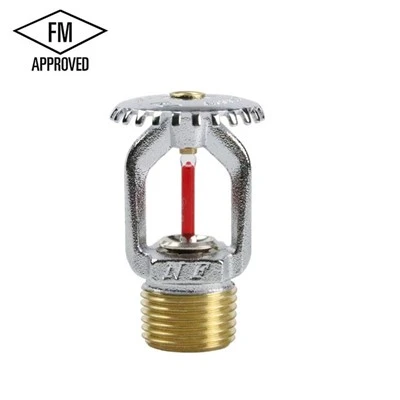
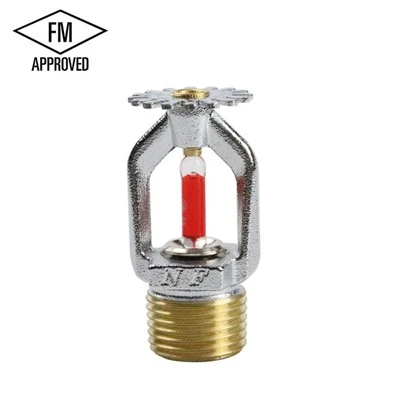
Even when activated, preaction systems deliver water in a controlled manner through sprinkler heads only in the affected area. This localized response helps limit damage to unaffected equipment and reduces overall water usage.
4. Compliance with Data Center Standards
Many modern data centers must comply with strict fire safety standards and insurance requirements, including NFPA guidelines. Preaction systems are widely accepted as a recommended solution for IT environments due to their balance of safety and reliability.
5. Compatibility with Sensitive Environments
Data centers often use raised floors, cable trays, and high-density server racks. Preaction systems are well-suited for these environments because they remain dry under normal conditions, reducing corrosion risks and improving long-term system reliability.
Growing Industry Demand
The rapid expansion of cloud computing, artificial intelligence, and edge computing has led to a global increase in data center construction. As facilities become larger and more complex, fire protection requirements are also evolving.
Key factors driving the adoption of preaction systems include:
Increased data center density
Higher value of stored digital assets
Stricter insurance requirements
Growing focus on operational continuity
Rising awareness of fire-related downtime costs
As a result, preaction systems are now considered a standard fire protection option in many new-generation data center designs.
Preaction System vs Traditional Sprinkler Systems
Compared to traditional wet pipe sprinkler systems, preaction systems offer several advantages in sensitive environments:
Lower risk of accidental discharge
Better protection for electronic equipment
Improved system control and monitoring
Higher compliance with critical facility standards
However, they also require more complex design, installation, and maintenance, making proper engineering expertise essential.
Future Trends in Data Center Fire Protection
As data centers continue to evolve, fire protection systems are also becoming more advanced. Future developments are expected to include:
Integration with intelligent building management systems
Advanced multi-sensor fire detection
Faster response activation technologies
Hybrid suppression systems combining gas and water-based solutions
Increased use of preaction systems in hyperscale data centers
These innovations will further strengthen the role of preaction systems in protecting mission-critical infrastructure.
Conclusion
Preaction fire suppression systems are expanding rapidly in data center applications due to their ability to combine early fire detection with controlled water discharge. They significantly reduce the risk of accidental damage while ensuring fast and effective fire response when needed.
As global demand for data processing and cloud services continues to grow, preaction systems will remain a key component in modern data center fire protection strategies, providing a reliable balance between safety and operational continuity.