Introduction
With the continuous evolution of modern architecture, fire protection systems must adapt to increasingly complex building layouts and aesthetic requirements. Traditional ceiling-mounted sprinklers are not always suitable for every environment, especially in spaces where ceiling access is limited or design appearance is a priority.
As a result, sidewall fire sprinklers have become an essential solution in modern fire protection engineering. Their flexibility, efficiency, and compatibility with contemporary building designs make them a preferred choice in many residential and commercial applications.


What Is a Sidewall Fire Sprinkler?
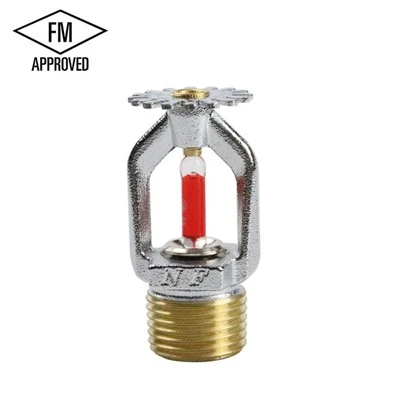
A sidewall fire sprinkler is a type of automatic sprinkler installed along a wall rather than on the ceiling. It is specifically designed to discharge water in a controlled pattern that projects outward and downward into the protected area.
Unlike upright or pendent sprinklers, sidewall models rely heavily on deflector design to achieve proper water distribution. This makes them particularly effective in narrow or enclosed spaces where traditional sprinkler layouts may not provide optimal coverage.
How Sidewall Sprinklers Work in Fire Protection Systems
Sidewall sprinklers operate on the same fundamental principle as other automatic sprinklers. Each unit contains a heat-sensitive element-typically a glass bulb filled with liquid-that expands and breaks at a predetermined temperature.
Once activated:
The sprinkler releases pressurized water
The deflector distributes water across the coverage area
The fire is controlled or suppressed in its early stage
Standards developed by the National Fire Protection Association emphasize the importance of early activation in reducing fire growth and improving occupant safety.
Key Advantages of Sidewall Fire Sprinklers
1. Flexible Installation in Complex Spaces
Sidewall sprinklers are ideal for areas where ceiling installation is difficult, such as:
Corridors and hallways
Hotel guest rooms
Small offices and meeting rooms
Residential units
Their wall-mounted design reduces the need for extensive ceiling piping.
2. Enhanced Aesthetic Appeal
Modern architecture often prioritizes clean ceiling designs. Sidewall sprinklers help maintain visual consistency by eliminating the need for ceiling-mounted components, making them especially suitable for:
Hotels
High-end apartments
Commercial interiors
3. Efficient Coverage in Narrow Areas
In confined spaces, sidewall sprinklers provide targeted water distribution. Their spray pattern is specifically engineered to cover rectangular or limited areas efficiently.
4. Reduced Installation Time and Cost
Because piping can be routed through walls rather than ceilings, installation becomes simpler and faster. This can significantly reduce:
Labor costs
Installation complexity
Project timelines
5. Compatibility with Modern Fire Systems
Sidewall sprinklers can be seamlessly integrated with:
Fire alarm systems
Smoke detection systems
Building management systems (BMS)
This ensures coordinated fire detection and suppression.
Design Considerations for Optimal Performance
Although sidewall sprinklers offer many advantages, proper system design is critical. Key factors include:
Spacing and Coverage Area: Must comply with fire protection standards
Installation Height: Affects spray pattern and effectiveness
Obstructions: Furniture, curtains, or partitions may block water distribution
Water Pressure and Flow: Must meet system requirements
Following guidelines from the National Fire Protection Association ensures that sidewall sprinklers perform as intended in real fire conditions.
Common Applications in Modern Buildings
Sidewall fire sprinklers are widely used across various sectors:
Residential Buildings
Apartments and condominiums benefit from their compact design and unobtrusive installation.
Hospitality Industry
Hotels rely on sidewall sprinklers to maintain aesthetics while ensuring guest safety.
Healthcare Facilities
Hospitals and clinics use them in patient rooms where ceiling space may be occupied by equipment.
Commercial Spaces
Offices, corridors, and retail environments often require flexible fire protection solutions.
Sidewall Sprinklers vs. Pendent Sprinklers
While both serve the same purpose, they differ in application:
| Feature | Sidewall Sprinkler | Pendent Sprinkler |
|---|---|---|
| Installation | Wall-mounted | Ceiling-mounted |
| Best for | Narrow or enclosed spaces | Open areas |
| Aesthetics | Minimal ceiling impact | Visible on ceiling |
| Installation complexity | Lower in some layouts | Standard |
Choosing the right type depends on building design and fire protection requirements.
Why Choose NONFIR Sidewall Sprinklers
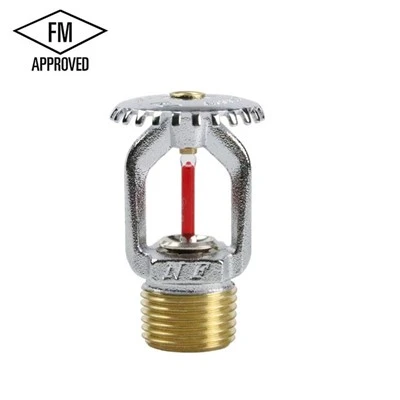
NONFIR focuses on producing FM approved sprinkler heads that meet international fire protection standards.
Key product features include:
Models with 3mm glass bulbs for faster response
Models with 5mm glass bulbs for standard applications
Sidewall, upright, and pendent configurations
Stable activation temperature and reliable spray performance
All products are tested according to FM Approvals requirements, ensuring consistent quality and performance in demanding environments.
Future Trends in Sidewall Sprinkler Design
As building technology continues to advance, sidewall sprinklers are expected to evolve with:
More compact and concealed designs
Improved corrosion-resistant materials
Enhanced compatibility with smart building systems
Greater use in modular and prefabricated construction
These innovations will further expand their role in modern fire protection systems.
Conclusion
Sidewall fire sprinklers have become a key component in modern fire protection design due to their flexibility, efficiency, and aesthetic advantages. Their ability to adapt to complex building layouts makes them an ideal solution for a wide range of applications.
By selecting certified, high-quality products such as NONFIR FM approved sprinklers, engineers and building owners can ensure reliable fire protection while meeting both safety and design requirements.