Fire sprinkler systems are a critical component of modern fire protection, providing rapid response to fire incidents and helping safeguard lives and property. Among the most common types are wet pipe and dry pipe sprinkler systems. While both systems are designed to deliver water to suppress fires, understanding their differences is essential for selecting the right system for a building's specific needs.

Wet Pipe Sprinkler Systems
Wet pipe systems are the most widely used type of sprinkler system. In these systems, water is constantly held in the pipes, ready to discharge immediately when a sprinkler head is activated by heat. This design allows for fast response times and minimal complexity in system installation.
Advantages of Wet Pipe Systems:
Quick water delivery for rapid fire suppression
Simple design and lower installation costs
Low maintenance requirements compared to dry systems
Common Applications:
Wet pipe systems are ideal for buildings in environments that are not subject to freezing temperatures, such as offices, warehouses, hospitals, and commercial spaces.
Dry Pipe Sprinkler Systems
Dry pipe systems, on the other hand, are filled with pressurized air or nitrogen rather than water. Water is held back by a dry pipe valve and only enters the system when a sprinkler head is activated. This makes dry pipe systems suitable for areas where pipes may be exposed to freezing temperatures.
Advantages of Dry Pipe Systems:
Prevents pipe freezing in cold environments
Reduces the risk of accidental water damage in unheated spaces
Can be combined with pre-action or deluge systems for high-risk areas
Common Applications:
Dry pipe systems are commonly used in cold storage facilities, unheated warehouses, and exterior spaces where wet pipe systems may be prone to freezing.
Key Differences Between Wet and Dry Pipe Systems
| Feature | Wet Pipe | Dry Pipe |
|---|---|---|
| Pipe Content | Filled with water | Filled with pressurized air or nitrogen |
| Response Time | Immediate | Slight delay due to valve opening |
| Installation Cost | Lower | Higher due to dry valve and air compressor |
| Maintenance | Simple | Requires regular air pressure checks and valve inspections |
| Suitable Environment | Temperatures above freezing | Cold or unheated spaces |
Integration with FM-Approved Sprinklers and Flow Detectors
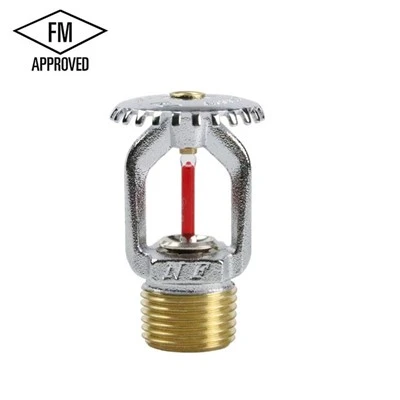
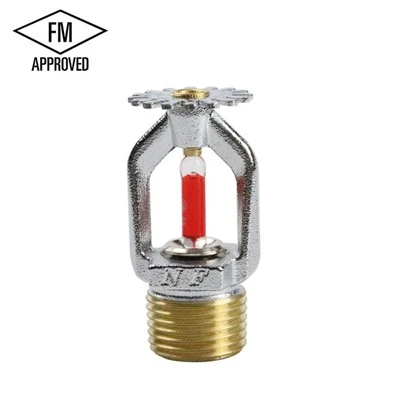
Both wet and dry pipe systems can benefit from FM-approved sprinklers, which ensure reliable activation and water distribution under fire conditions. Certified flow detectors add another layer of safety by monitoring water movement and triggering alarms in real time, improving overall system reliability and compliance with NFPA standards.
Maintenance and Inspection Tips
Inspect sprinkler heads regularly for corrosion, obstructions, or mechanical damage
Check dry pipe valves, air pressure, and alarm devices according to NFPA 25 standards
Test flow detectors and alarms to ensure they function correctly in both wet and dry systems
Schedule professional inspection and maintenance to maintain system reliability
Conclusion
Choosing between wet and dry pipe sprinkler systems depends on building type, environmental conditions, and fire risk. Wet pipe systems provide simplicity and rapid response in standard conditions, while dry pipe systems are essential for cold or unheated spaces. Integrating FM-approved sprinklers and certified flow detectors ensures maximum fire protection, system reliability, and compliance with safety regulations.
Contact and Further Information:
For professional guidance on selecting and maintaining fire sprinkler systems, visit NONFIR:
🌐 Website: www.nonfirsprinkler.com
📧 Email: info@nfsprinkler.com
📱 WhatsApp: +86 18160950625