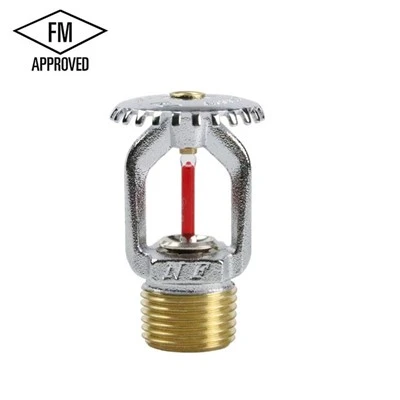
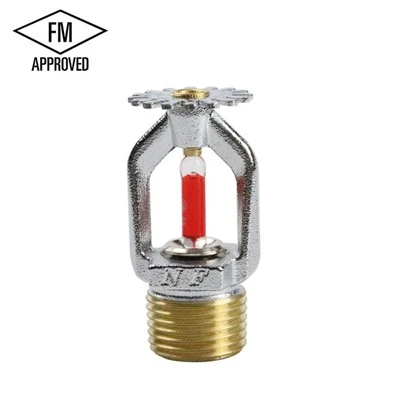
Automatic fire sprinklers are designed to activate when surrounding temperatures reach a specified level. However, unwanted water discharge can sometimes occur without a fire. Common causes include excessive heat, mechanical damage, improper installation, and component deterioration.
Understanding these risks helps building owners and maintenance teams prevent accidental sprinkler discharge.
How Do Fire Sprinklers Activate?
Most automatic sprinklers use a heat-sensitive glass bulb or fusible element. When the surrounding temperature reaches the sprinkler's rated temperature, the element operates and releases water.
Sprinklers are available with different temperature ratings and response characteristics to suit various applications.
Learn more about standard response fire sprinklers.
Common Causes of Accidental Sprinkler Activation
Excessive Heat
Sprinklers can activate without a fire if exposed to temperatures above their rated operating temperature. Heat from industrial equipment, heating systems, or hot air outlets may cause unintended activation.
Choosing the correct temperature rating is essential, particularly in areas with elevated ambient temperatures.
Mechanical Damage and Improper Installation
Accidental impact during construction, cleaning, or maintenance can damage a sprinkler's glass bulb or other components.
Improper installation tools, excessive force, and incorrect handling may also damage the sprinkler assembly, potentially causing leakage or immediate discharge.
Damaged sprinklers should be replaced according to the manufacturer's instructions and applicable standards.
Corrosion and Environmental Conditions
Moisture, chemicals, and corrosive environments may gradually damage sprinkler components, increasing the risk of leakage or malfunction.
Although corrosion does not necessarily trigger thermal activation, it can affect sprinkler reliability.
Read more about fire sprinkler material and finish.
Can Smoke Activate a Fire Sprinkler?
No. Conventional automatic sprinklers respond to heat, not smoke.
Smoke detectors activate fire alarm signals, while individual heat-operated sprinklers activate when their operating elements reach the required temperature.
Special fire protection systems, such as deluge systems, may use separate detection and control mechanisms.
How to Prevent Accidental Sprinkler Discharge
Regular inspections, proper installation, and suitable product selection help reduce unwanted discharge.
Avoid physical impact, painting sprinkler components, or installing sprinklers too close to heat sources. Always follow the manufacturer's installation instructions and applicable fire protection standards.

NONFIR Fire Sprinkler Solutions
NONFIR supplies standard response and quick response sprinklers for commercial and industrial fire protection applications.
Our K5.6 FM Approved sprinkler range includes upright, pendent, and horizontal sidewall configurations, subject to the approval scope of each model.
Explore our FM Approved fire sprinklers for product specifications and certification details.