Correct fire sprinkler installation is essential for reliable fire protection. Even a properly manufactured sprinkler may not perform as intended if installed in the wrong position, damaged during installation, or placed too close to obstructions. These mistakes can affect water distribution, delay fire control, and increase maintenance risks.
Common Fire Sprinkler Installation Mistakes
Incorrect Sprinkler Orientation
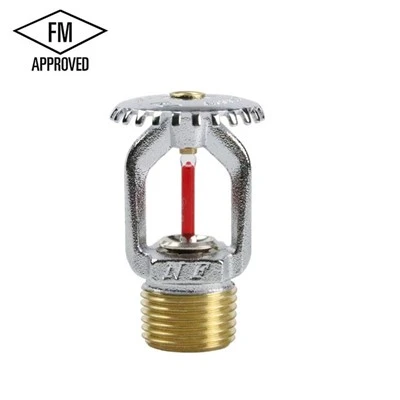
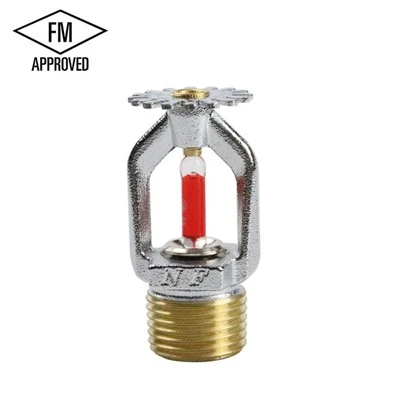
Upright, pendent, and horizontal sidewall sprinklers are designed for specific installation positions. Installing a sprinkler in an orientation that is not permitted for its model can affect its water distribution pattern.
For example, a pendent sprinkler should not be installed as an upright sprinkler unless the manufacturer specifically approves that configuration.
Improper Sprinkler Spacing
Sprinklers installed too far apart may leave areas without adequate water coverage. Meanwhile, incorrect distances from walls, ceilings, or nearby objects can interfere with spray distribution.
Sprinkler spacing must follow the applicable installation standard and the manufacturer's approved specifications.
Obstructions Around the Sprinkler
Beams, ventilation ducts, lighting fixtures, and storage racks can block water discharged from sprinkler heads.
Even when a sprinkler activates correctly, nearby obstructions may prevent water from reaching the intended area.
Damage During Installation
Using an incorrect wrench or applying excessive force can damage sprinkler threads, glass bulbs, or other components.
Damaged sprinklers may leak, discharge unexpectedly, or fail to operate as intended.
Explore NONFIR quick response fire sprinklers for available models and technical specifications.
Can Incorrect Installation Affect Sprinkler Activation?
Yes. A sprinkler installed in an unsuitable location may experience delayed heating or exposure to unintended heat sources.
For example, airflow patterns and nearby equipment can influence the temperature around a sprinkler. Obstructions may also affect the distribution of discharged water.
These problems can reduce the effectiveness of the fire protection system, even when the sprinkler itself functions normally.
How to Avoid Installation Problems
Before installation, contractors should verify the sprinkler type, temperature rating, thread connection, and approved installation orientation.
Sprinklers should be protected from mechanical damage, installed with the correct tools, and positioned according to the applicable fire protection design.
For additional technical guidance, read this fire sprinkler installation guide.
Choose Suitable Fire Sprinklers from NONFIR
NONFIR supplies standard response and quick response fire sprinklers for commercial and industrial fire protection applications.
Our FM Approved K5.6 sprinkler range includes upright, pendent, and horizontal sidewall models, subject to their specific approval configurations.
Explore NONFIR FM Approved fire sprinklers for product specifications, temperature ratings, and certification details.
For product inquiries or technical documentation, contact info@nfsprinkler.com.