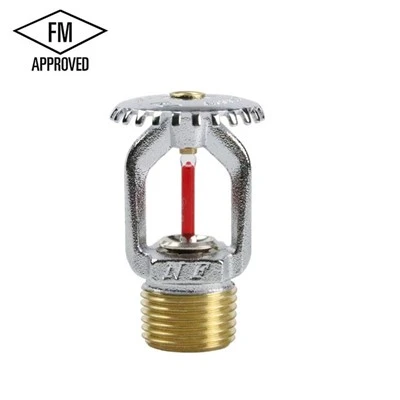
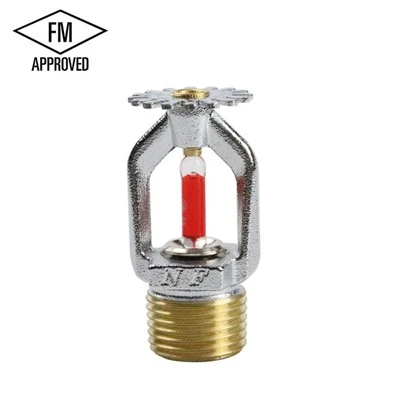
Maintenance of Standard Response Fire Sprinklers
Maintenance of standard response fire sprinklers requires adherence to steps including regular inspections, cleaning, and functional testing to ensure proper activation during fires. Key maintenance points are as follows:
Daily Inspection and Maintenance
Monthly Inspection:
Visual Inspection: Confirm sprinklers show no rust, cracks, or deformation; connections are properly sealed; and markings are clear.
Cleaning: Remove surface dust with a soft cloth or brush; avoid chemical solvents.
Foreign Object Removal: Promptly clear any debris from the sprinkler head to prevent blockages.
Quarterly Inspection:
Pipes and Valves: Inspect pipes for leaks and corrosion; verify valve operability.
Alarm Valve Test: Conduct a water discharge test to validate system water supply capacity.
Semi-Annual Testing:
Response Time: Use specialized instruments to verify sprinkler activation speed meets national standards.
Water Discharge & Pressure: Ensure discharge volume and pressure meet design specifications.
System Interlock Inspection
Interlock Testing: Verify seamless coordination between sprinklers and fire alarm systems.
Thermal Sensitivity Consistency: Ensure uniform thermal response across sprinklers in the same zone to prevent delayed activation due to variations.
Abnormal Condition Handling
Replacement Criteria: Immediately replace sprinklers upon detecting leaks, glass bulb discoloration, seal failure, or other anomalies.
Mounting Fixtures: Inspect brackets, suspension rods, and other mounting components for stability to prevent loosening.
Precautions
No Modifications: Do not disassemble or apply decorative coatings after installation to avoid affecting temperature-sensing elements.
Specialized Tools: Use dedicated wrenches when replacing sprinklers to prevent seal damage.