A fire gate valve is one of the most essential control components in a fire protection system. It is widely used in fire sprinkler systems, fire hydrant systems, and fire pump installations to control and isolate water flow. In emergency situations, the reliability of a gate valve directly affects the performance of the entire fire suppression system.
Unlike regulating valves that are used for throttling flow, a gate valve is designed primarily for fully open or fully closed operation, ensuring minimal pressure loss and maximum water delivery when needed most.
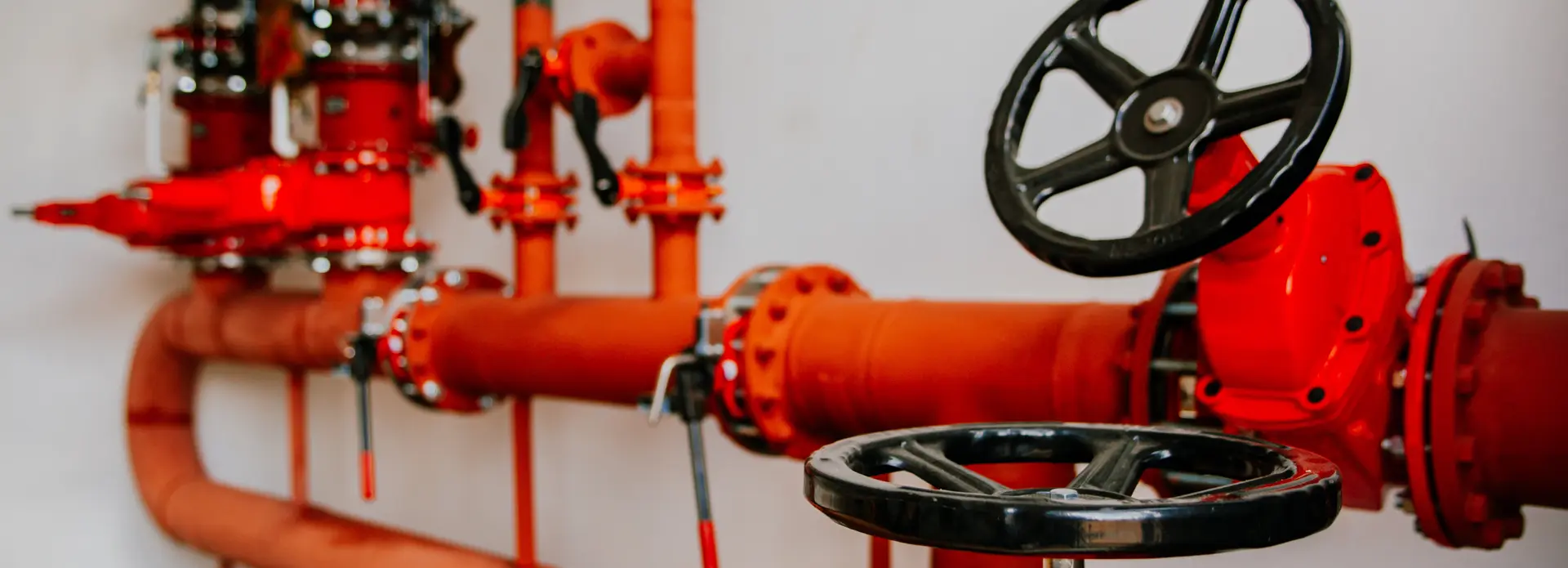
Working Principle of Fire Gate Valve
The fire gate valve operates using a simple linear motion mechanism. Inside the valve body, a gate (or wedge) moves vertically to control water flow.
When the valve is opened, the gate is fully lifted from the flow path, allowing water to pass through with very low resistance. This design ensures that there is almost no pressure drop, making it highly efficient for fire protection systems where water delivery performance is critical.
When the valve is closed, the gate moves downward and tightly seals against the valve seat, completely stopping the flow of water. This provides a reliable shut-off function, which is essential for system isolation and maintenance.
Because of this simple structure, fire gate valves are known for their durability, reliability, and long service life.
Main Types of Fire Gate Valves
In fire protection applications, gate valves are generally divided into two main types:
OS&Y Gate Valve (Outside Screw and Yoke)
The OS&Y gate valve is designed with an external threaded stem. When the valve is opened, the stem rises visibly above the handwheel, making it easy to determine the valve position.
Key features include:
Visible open/close status
Easy maintenance and inspection
Commonly used in above-ground installations
Widely applied in fire sprinkler risers and pump rooms
This type is preferred in systems where quick visual confirmation is required.
NRS Gate Valve (Non-Rising Stem)
The NRS gate valve has a stem that does not move upward or downward externally. Instead, the gate moves internally while the stem rotates in place.
Key features include:
Compact design suitable for underground installation
No exposed moving stem
Requires position indicator for status identification
Common in buried pipelines and concealed systems
NRS valves are often used where space is limited or where external movement must be avoided.
Applications of Fire Gate Valves
Fire gate valves are used across a wide range of fire protection systems and industrial environments. Their main applications include:
Fire Sprinkler Systems
Gate valves are installed in sprinkler risers and main pipelines to isolate sections during maintenance or emergency control.
Fire Hydrant Systems
They regulate water supply to hydrant networks, ensuring stable pressure and reliable operation.
Fire Pump Systems
Gate valves are used at pump inlets and outlets to control water flow during testing and operation.
Industrial Fire Protection Systems
Factories, warehouses, petrochemical plants, and logistics centers rely on gate valves for large-scale fire suppression systems.
Advantages of Fire Gate Valves
Fire gate valves are widely used because of their strong performance and structural advantages:
1. Full Flow Capacity
When fully open, the valve provides a straight-through flow path with minimal obstruction, ensuring maximum water delivery.
2. Low Pressure Loss
Compared to other valve types, gate valves cause very little pressure drop, which is critical in emergency firefighting.
3. Reliable Sealing
When closed, the valve provides a tight seal that prevents leakage and ensures system integrity.
4. Strong Durability
Made from ductile iron, brass, or other corrosion-resistant materials, fire gate valves are designed for long-term use in harsh environments.
5. Simple Operation
The manual handwheel design allows easy operation even in emergency conditions.
Fire Gate Valve vs Other Valve Types
In fire protection systems, gate valves are often compared with butterfly valves and globe valves.
Gate valves are preferred for on/off isolation, while butterfly valves are more compact and often used for space-saving installations. Globe valves, on the other hand, are better suited for flow regulation but introduce higher pressure loss.
For fire protection systems where maximum water flow and reliability are required, gate valves remain one of the most commonly used solutions.
Standards and Certifications
Fire gate valves used in professional fire protection systems must comply with strict international standards to ensure safety and reliability.
Organizations such as the National Fire Protection Association provide guidelines for fire system design, installation, and performance requirements.
In addition, certifications such as UL and FM approval are widely required in international projects. These certifications ensure that the valve has passed rigorous testing for pressure resistance, sealing performance, and durability.
Installation Considerations
Proper installation is essential for ensuring optimal performance of fire gate valves. Key considerations include:
Installing the valve in an accessible location
Ensuring correct flow direction alignment
Avoiding excessive force during tightening
Providing adequate support for pipeline weight
Installing position indicators for underground valves
Incorrect installation may lead to leakage, operational failure, or reduced system efficiency.
Maintenance and Inspection
Regular maintenance is necessary to ensure long-term reliability of fire gate valves. Recommended practices include:
Periodic operation to prevent seizing
Inspection for corrosion or leakage
Checking stem lubrication condition
Verifying full open/close functionality
Ensuring valve position indicators are accurate
Routine maintenance significantly reduces the risk of failure during emergency situations.
Importance in Fire Protection Systems
Fire gate valves play a critical role in ensuring the reliability of fire protection systems. Without properly functioning valves, even a well-designed sprinkler or hydrant system may fail to deliver water effectively during a fire emergency.
They act as control points that allow operators to isolate sections of a system for repair, testing, or emergency response. This makes them indispensable in both commercial and industrial fire protection infrastructure.
Conclusion
Fire gate valves are a fundamental component in modern fire protection systems. Their ability to provide full flow, reliable sealing, and long-term durability makes them essential in sprinkler systems, hydrant networks, and industrial fire safety installations.
Understanding the differences between OS&Y and NRS types, as well as proper installation and maintenance practices, is key to ensuring system safety and performance.
As fire protection requirements continue to evolve, high-quality and certified gate valves remain a critical factor in ensuring compliance, efficiency, and life safety.