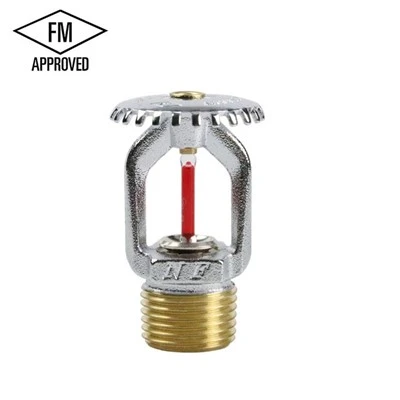
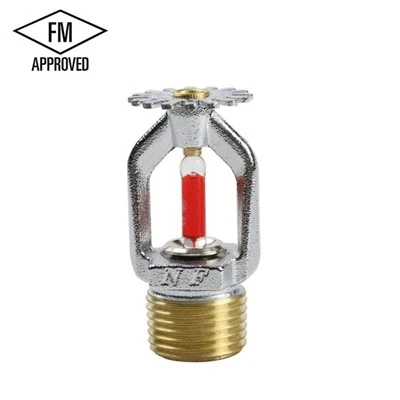
FM approved fire sprinkler systems are widely used in commercial, industrial, and warehouse buildings because they meet strict reliability and performance standards. During inspections, professionals carefully examine several critical aspects of the sprinkler installation to ensure the system complies with fire protection requirements and operates effectively during emergencies.
Sprinkler Head Type and Certification
Inspectors first verify whether the installed sprinkler heads are FM approved and suitable for the specific hazard classification of the building. They also check the sprinkler model, K-factor, temperature rating, and installation orientation to ensure compatibility with the system design.
Installation Spacing and Position
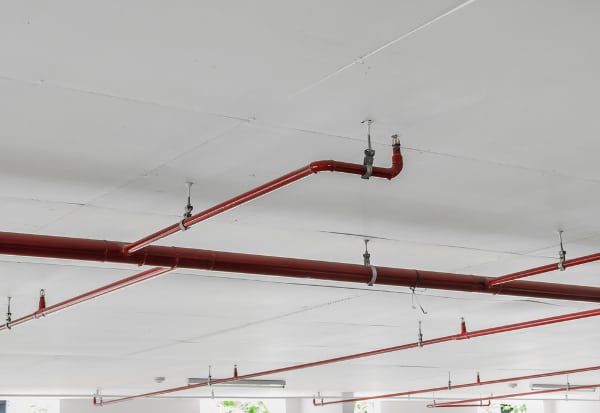
Proper spacing between sprinklers is essential for effective water distribution. Inspectors measure the distance between sprinkler heads, ceiling clearance, and proximity to walls or obstructions. Incorrect positioning may reduce fire suppression performance.
Pipework and Fittings
The piping system is checked for leaks, corrosion, secure supports, and proper material selection. Inspectors also confirm that valves, fittings, and connections are installed according to fire protection standards and project specifications.
Water Supply and Pressure
Adequate water flow and pressure are critical in FM sprinkler systems. Inspectors review hydraulic calculations, pump performance, control valves, and water supply reliability to ensure sufficient system operation during a fire emergency.
Obstructions and Clearance
Objects such as lighting fixtures, ducts, cable trays, or decorative ceilings can block sprinkler discharge patterns. Inspectors verify that no obstructions interfere with water distribution and that required clearances are maintained.
Alarm and Control Components
Fire alarm connections, water flow switches, and control valves are inspected to ensure the system can quickly detect and report sprinkler activation. Proper labeling and accessibility of control equipment are also important inspection points.
Maintenance and Testing Records
Inspectors often review maintenance logs, testing reports, and previous inspection records. Regular inspection and testing help maintain compliance and ensure long-term reliability of the sprinkler system.
Conclusion
FM fire sprinkler inspections focus on safety, reliability, and compliance with recognized fire protection standards. Proper installation, certified components, sufficient water supply, and regular maintenance all play important roles in ensuring the system performs effectively when needed most.