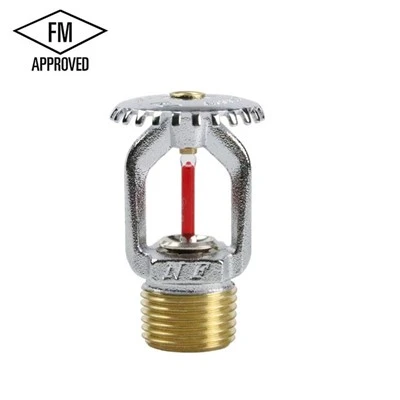
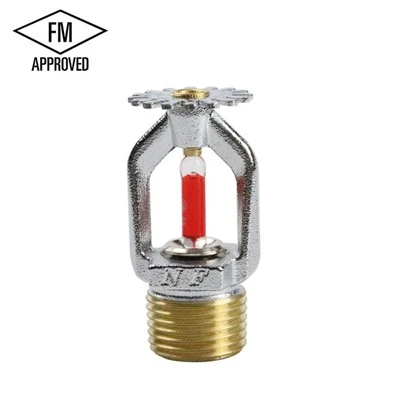
Fire sprinklers are an essential part of modern fire protection systems, designed to respond quickly during a fire emergency. However, many building owners, contractors, and maintenance personnel ask an important question: can fire sprinklers be painted?
The short answer is that fire sprinklers should generally not be painted after installation unless they are specifically factory-coated by the manufacturer. Painting a sprinkler improperly can affect its performance and may even prevent it from operating correctly during a fire.

Why People Paint Fire Sprinklers
In some buildings, people attempt to paint sprinkler heads to match ceiling colors or improve interior appearance. This is especially common in:
Hotels
Offices
Residential apartments
Shopping malls
Restaurants
Luxury commercial buildings
While appearance is important in modern architecture, fire safety should always remain the top priority.
How Paint Can Affect Fire Sprinkler Performance
A fire sprinkler operates using a heat-sensitive element such as a glass bulb or fusible link. When exposed to high temperatures, the sprinkler activates and releases water.
If paint covers critical parts of the sprinkler, several problems may occur:
Delayed Activation
Paint can insulate the heat-sensitive element, slowing the sprinkler's response time during a fire.
Blocked Water Distribution
Paint may clog the deflector or water outlet, affecting the sprinkler spray pattern and reducing fire suppression performance.
Mechanical Damage
Heavy paint layers can interfere with moving components or damage the sprinkler during cleaning or maintenance.
Corrosion Risk
Improper coatings may trap moisture and increase the risk of corrosion over time.
Because of these risks, painted sprinklers may fail inspection and violate fire safety standards.
Factory-Coated Fire Sprinklers
Some fire sprinklers are specially manufactured with factory-applied coatings designed for both protection and aesthetics. These coatings are carefully tested to ensure they do not affect sprinkler performance.
Common factory finishes include:
White
Black
Chrome
Brass
Custom decorative coatings
Factory-coated sprinklers are commonly used in architectural applications where appearance matters.
What Fire Codes and Standards Say
Many fire protection standards clearly state that sprinklers should not be painted in the field after manufacturing.
Organizations such as:
NFPA
FM Global
UL certification bodies
all emphasize the importance of maintaining sprinkler integrity and proper operation.
During inspections, painted sprinklers are often identified as non-compliant and may require replacement.
What Happens If a Sprinkler Is Accidentally Painted?
Accidental overspray sometimes occurs during ceiling painting or renovation work. Even a small amount of paint on the sprinkler can be a concern.
If a sprinkler has been painted unintentionally:
Do not attempt to clean or scrape it aggressively.
Contact a qualified fire protection contractor.
Inspect the sprinkler for damage or obstruction.
Replace the sprinkler if required by local fire codes.
In many cases, replacement is the safest solution.
How to Protect Sprinklers During Painting
To avoid accidental paint contamination:
Use protective sprinkler covers during painting work
Remove covers immediately after finishing
Avoid spraying directly near sprinkler heads
Inform contractors about fire protection equipment before renovation
Proper protection helps maintain both safety and compliance.
Decorative Concealed and Flush Sprinklers
For projects requiring a clean ceiling appearance, concealed or flush fire sprinklers are often a better choice than painting standard sprinklers.
These models are designed to blend with ceilings while maintaining certified fire protection performance. Decorative cover plates are available in multiple finishes to match interior designs.
Importance of Regular Inspection
Routine fire sprinkler inspections help identify:
Painted sprinkler heads
Corrosion
Physical damage
Obstructions
Leaks
Regular maintenance ensures the sprinkler system remains reliable and ready for emergency operation.
Conclusion
Fire sprinklers should not be painted after installation unless they are specifically factory-coated and approved for decorative applications. Paint can interfere with sprinkler activation, water distribution, and overall fire protection performance.
To maintain fire safety and code compliance, building owners should always use approved sprinkler finishes and follow proper maintenance and inspection procedures.