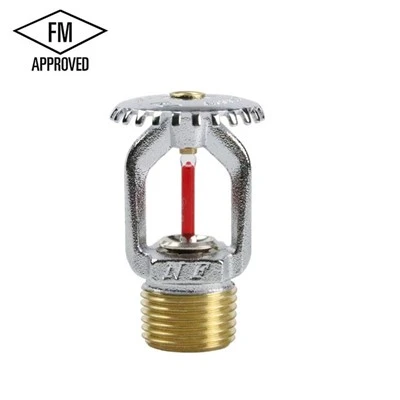
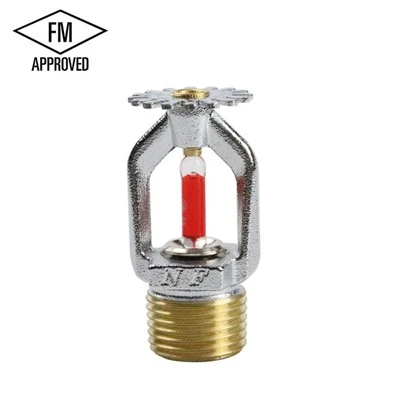
Fire sprinkler systems are widely recognized as one of the most effective fire protection solutions in modern buildings. However, in real-world engineering practice, "more sprinklers" or "over-designed systems" do not always mean higher safety. In some cases, excessive design can introduce hidden risks that affect performance, cost, and system reliability.
Understanding these risks is essential for engineers, contractors, and fire safety designers.
What Is "Over-Design" in Sprinkler Systems?
Over-design refers to a fire sprinkler system that exceeds the actual requirements of a building or hazard classification. This may include:
Too many sprinkler heads installed
Excessively dense coverage layout
Oversized pipe network without hydraulic balance
Overestimated hazard level during design stage
While it may seem safer, it can actually create unintended technical and operational problems.
Hidden Risks of Over-Designed Sprinkler Systems
1. Uneven Water Distribution
When too many sprinklers activate simultaneously, the system may struggle to distribute water evenly. This can result in:
Reduced pressure at distant sprinkler heads
Inefficient fire suppression in critical zones
Delayed response in real fire scenarios
Hydraulic imbalance becomes more likely in over-designed layouts.
2. Reduced System Efficiency
Fire sprinkler systems are designed based on hydraulic calculations. Overloading the system can:
Increase friction loss in pipelines
Reduce discharge efficiency
Cause unnecessary pressure drop
This means the system may not perform as expected during actual fire events.
3. Higher Risk of Water Damage
More sprinklers do not always mean better control. In some cases, excessive activation can lead to:
Excessive water discharge
Structural water damage
Higher post-fire recovery costs
This is especially critical in commercial buildings, data centers, and warehouses.
4. Increased Installation and Maintenance Costs
Over-designed systems require:
Larger pipe networks
More fittings and valves
Higher pump capacity
This significantly increases:
Initial investment cost
Long-term maintenance burden
System inspection complexity
5. False Sense of Security
One of the most dangerous risks is psychological. Over-design may create the impression that the building is "extra safe," leading to:
Reduced focus on maintenance
Neglect of inspection schedules
Overreliance on system capacity
However, fire protection reliability depends on correct design, not excessive equipment.
The Right Approach: Balanced Design
A properly engineered sprinkler system should follow:
Accurate hazard classification
NFPA or local fire code compliance
Hydraulic calculation-based design
Optimized sprinkler spacing
Proper system zoning
Efficiency and precision are more important than quantity.
Industry Insight
Modern fire protection trends are shifting toward:
Smarter hydraulic design
Targeted suppression systems
Cost-efficient engineering solutions
Performance-based fire safety design
The goal is not to install more equipment, but to ensure effective fire suppression with optimized resources.
Conclusion
Sprinkler systems are essential for fire safety, but over-design does not automatically improve protection. In fact, it can introduce hydraulic inefficiencies, higher costs, and potential performance risks.
A well-balanced, professionally engineered system remains the most reliable solution for real-world fire protection.
Learn More
NONFIR specializes in certified fire sprinkler systems and fire protection solutions designed for performance, reliability, and international standards.
🌐 Website: www.nonfirsprinkler.com
📧 Email: info@nfsprinkler.com
📱 WhatsApp: +86 18160950625
NONFIR – Certified Fire Protection, Engineered for Real Safety