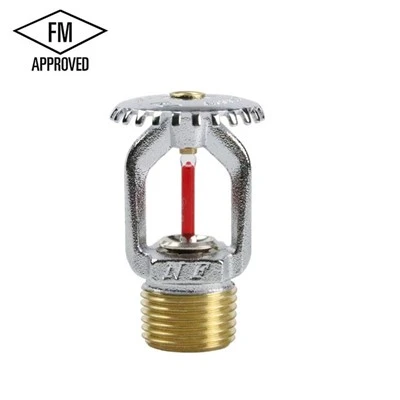
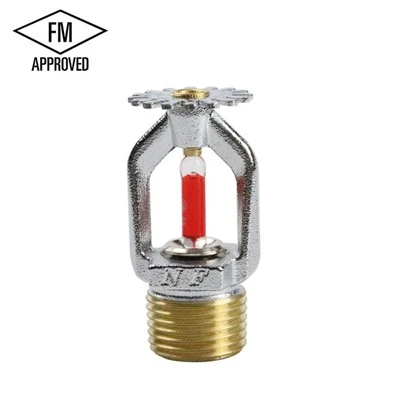
Ensuring optimal water flow in FM approved fire sprinkler systems is crucial for effective fire protection. In a fire emergency, every second counts, and inadequate water flow can compromise the system's ability to suppress flames, endangering lives and property. Whether used in commercial buildings, industrial facilities, or residential complexes, proper water distribution ensures that each sprinkler head operates efficiently, meeting the performance standards required by FM Global.
With increasing safety regulations and stricter insurance requirements, understanding how to optimize water flow is not only a technical necessity but also a strategic approach to minimize risk and ensure regulatory compliance.

1. Understanding FM Approved Fire Sprinklers
FM approved sprinklers are designed and tested to meet FM Global's rigorous fire safety standards. These standards cover:
Water discharge performance
Temperature response characteristics
Coverage area and spray pattern
Resistance to clogging and corrosion
Proper operation of these sprinklers depends on adequate water flow, which is influenced by several system design and maintenance factors. Without optimal flow, even certified sprinklers may underperform during a fire.
2. Key Factors Affecting Water Flow
Pipe Sizing and System Layout
Pipe diameter and layout have a direct impact on water pressure and flow rate. Oversized pipes can lead to slow water velocity, while undersized pipes may cause excessive friction losses. Designers must consider:
Total building area
Number of sprinkler heads
Pipe length and number of bends
Elevation differences between floors
FM Global provides detailed hydraulic calculation methods to ensure each sprinkler receives the required flow and pressure. Correctly sized pipes and strategic layout minimize pressure loss and ensure uniform distribution.
System Pressure
Maintaining adequate system pressure is essential for sprinklers to discharge the correct volume of water. Pressure losses can occur due to:
Friction in pipes
Elevation changes
Closed or partially obstructed valves
Long runs of horizontal or vertical piping
Regular pressure testing ensures the system can deliver water at the required rate under emergency conditions. For large industrial systems, booster pumps may be necessary to maintain optimal pressure.
Sprinkler Head Selection and Placement
Sprinkler heads must be selected based on building occupancy, hazard classification, and room layout. Key considerations include:
K-factor: Determines flow rate for a given pressure
Response temperature: Sprinklers must activate reliably at expected fire temperatures
Spray pattern: Ensures adequate coverage without water wastage
Correct placement avoids water overlap or dry zones, which could leave parts of the building unprotected. FM approved sprinkler heads provide verified performance data to guide design decisions.
Valve Operation and Maintenance
Valves control water flow into different zones. Partially closed or malfunctioning valves reduce water availability and pressure. Best practices include:
Monthly inspection to ensure valves are fully open
Testing of sectional and main control valves
Immediate replacement of leaking or damaged valves
Proper valve operation guarantees water reaches all sprinklers simultaneously during activation.
Obstruction-Free Piping
Sediment, debris, or corrosion inside piping can restrict flow and pressure. Preventive measures include:
Flushing new systems before commissioning
Periodic flushing of existing systems
Installing strainers or filters in critical locations
Maintaining clear piping ensures consistent water flow and prolongs system lifespan.
Hydraulic Calculations and Flow Testing
Hydraulic calculations, based on FM Global guidelines, are essential during system design and after modifications. Key steps include:
Calculating friction loss in all piping runs
Determining pressure at each sprinkler head
Performing flow tests with gauges at critical points
Flow tests verify that the system delivers the intended water volume to all sprinklers under operational conditions, ensuring compliance and performance reliability.
3. Maintenance Practices for Optimal Flow
Proper maintenance is critical to sustain water flow over the system's lifetime:
Monthly Valve Checks: Confirm that all valves are open and functional
Annual Flow Testing: Measure pressure and flow at multiple points
Sprinkler Head Inspection: Clean dust, remove obstructions, and check for corrosion
Pipe Integrity Checks: Repair leaks, corrosion, or mechanical damage immediately
Documentation: Record all inspections, tests, and maintenance activities for regulatory compliance
Following these practices reduces the risk of inadequate flow during a fire and prevents system degradation over time.
4. Common Issues Affecting Water Flow
| Issue | Cause | Solution |
|---|---|---|
| Low water pressure | Blocked pipes, closed valves | Inspect and clear pipes, open valves fully |
| Uneven sprinkler coverage | Improper placement | Recalculate layout and adjust sprinkler locations |
| Corroded piping | Age, poor water quality | Replace corroded sections, apply corrosion-resistant coatings |
| Sediment buildup | Insufficient flushing | Flush system regularly, install strainers |
| Inconsistent activation | Incorrect sprinkler head selection | Use FM approved heads suitable for the hazard class |
5. Benefits of Maintaining Optimal Water Flow
Reliable Fire Suppression: Each sprinkler functions as intended
Regulatory Compliance: Meets FM Global and insurance requirements
Property Protection: Reduces fire spread and structural damage
System Longevity: Clear piping and proper maintenance prevent premature wear
Operational Confidence: Facility managers can trust the system in emergencies
6. Industry Trends and Technological Advancements
Recent trends in FM approved sprinkler systems include:
Smart monitoring systems: Track flow, pressure, and valve status in real-time
Corrosion-resistant materials: Extend lifespan of pipes and sprinkler heads
Advanced hydraulic modeling software: Improves system design accuracy
Customized solutions: Tailored for industrial plants, warehouses, and high-risk areas
These innovations ensure consistent performance, reduce maintenance costs, and improve fire protection efficiency.
7. Conclusion
Ensuring optimal water flow in FM approved sprinkler systems requires attention to design, installation, and ongoing maintenance. From correct pipe sizing and hydraulic calculations to valve inspections and flow testing, every aspect is critical. Facility managers, engineers, and fire safety professionals must follow FM Global guidelines and best practices to ensure that sprinklers operate effectively when needed, protecting lives, property, and investments.