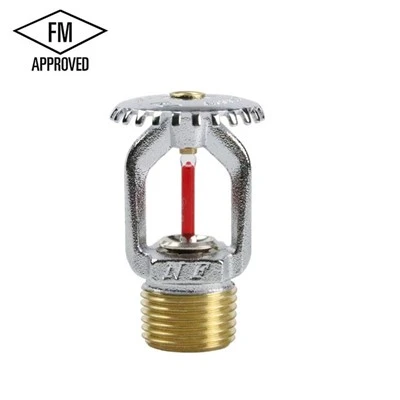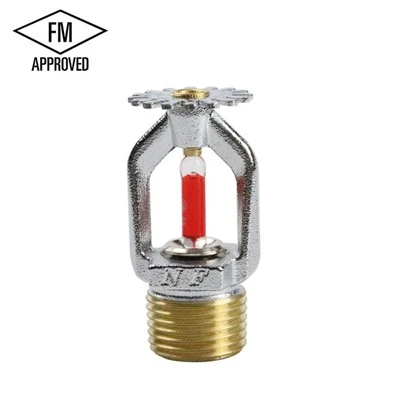
Replacing a fire sprinkler may appear straightforward, especially when the replacement sprinkler has the same connection size and similar appearance as the existing one. However, physical compatibility does not necessarily mean that the replacement is suitable for the existing fire protection system.
For maintenance and retrofit projects, the replacement sprinkler should match the relevant design and approval requirements.
Thread Size Is Only One Factor
A matching thread connection allows a sprinkler to be physically installed, but it does not confirm hydraulic or thermal compatibility.
Before replacement, project personnel should verify key parameters such as:
K-factor
Temperature rating
Response characteristics
Installation orientation
Coverage requirements
Applicable approval
A difference in any of these parameters may affect how the sprinkler operates within the existing system.
K-Factor and Hydraulic Performance
The K-factor determines the relationship between sprinkler pressure and discharge flow. Replacing a sprinkler with a different K-factor can therefore change its discharge characteristics.
Even when the replacement fits the existing pipe connection, its hydraulic performance may not correspond to the assumptions used in the original system design.
For this reason, the original sprinkler specification should be checked before selecting a replacement.
Temperature Rating Matters
Sprinkler temperature ratings are selected according to the expected ambient temperature and installation environment.
A replacement sprinkler with a different temperature rating may not be an appropriate substitute simply because the dimensions are similar. The surrounding temperature conditions and original system requirements should be considered together.
Response and Orientation
Response characteristics and installation orientation also need to match the intended application.
Upright, pendent, and sidewall sprinklers have different installation configurations and discharge patterns. Similarly, response characteristics can affect the thermal activation behavior of the sprinkler.
These specifications should be confirmed rather than assumed from the appearance of the existing sprinkler.
Approval Should Be Verified
For projects requiring certified sprinklers, the approval status of the replacement model should also be checked.
An FM Approved sprinkler, for example, should be selected according to its approved application and technical limitations. Approval status should not be assumed simply because another sprinkler has a similar design or specification.
What Should Be Confirmed Before Ordering?
Before purchasing replacement sprinklers, it is useful to provide the supplier with the existing model number, photographs, technical data, required quantity, installation orientation, and project requirements.
This information can help determine whether the proposed replacement is technically appropriate or whether further design verification is required.
Conclusion
Sprinkler replacement should be based on more than thread size, dimensions, or appearance. K-factor, temperature rating, response characteristics, orientation, coverage, and approval requirements can all affect compatibility with the existing system.
Matching the replacement sprinkler to the original design helps reduce the risk of selecting a physically compatible component that is unsuitable for the intended fire protection application.