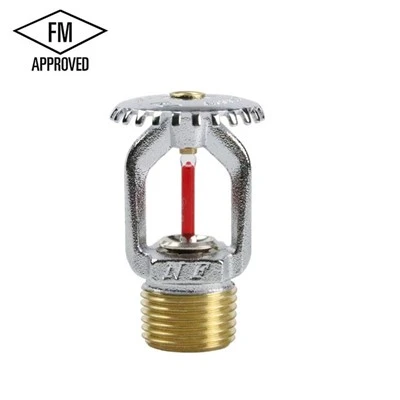
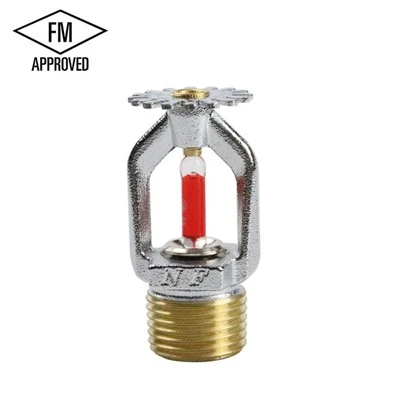
When selecting fire sprinklers for a fire protection project, buyers often focus on the K-factor, temperature rating, response type, and installation orientation. Another important identifier is the Sprinkler Identification Number (SIN). Understanding the SIN can help engineers, contractors, and procurement teams identify and verify a specific sprinkler model more accurately.
What Is a Sprinkler SIN?

A Sprinkler Identification Number, commonly abbreviated as SIN, is an identification code associated with a specific fire sprinkler design. It helps distinguish one sprinkler model from another based on its configuration and approval information.
A sprinkler may look similar to another model while having different technical characteristics or approval details. Therefore, relying only on appearance or a general product description may not be sufficient when preparing a project specification or purchase order.
The SIN provides an additional reference for identifying the intended sprinkler.
Where Can You Find the SIN?
The SIN is typically associated with the sprinkler's product information and certification documentation. Depending on the product and documentation system, buyers may find the identification information on technical datasheets, approval documents, product listings, or other manufacturer-provided materials.
When reviewing a sprinkler for a project, the SIN should be checked together with the actual product specifications rather than treated as a replacement for them.
Why Does the SIN Matter?
For international B2B procurement, accurate product identification is particularly important. A project may specify a particular sprinkler configuration, while a supplier may offer several visually similar models.
Checking the SIN can help buyers:
Identify the specified sprinkler model more precisely
Cross-check product and certification documentation
Reduce the risk of ordering the wrong configuration
Support project submittals and technical reviews
Improve communication between manufacturers, contractors, and distributors
The SIN is especially useful when a project involves multiple sprinkler types, orientations, temperature ratings, or certification requirements.
What Should Buyers Check Besides the SIN?

The SIN should not be considered independently. Before placing an order, buyers should also confirm the K-factor, response type, temperature rating, orientation, connection size, material, finish, and applicable certification.
For FM-approved sprinklers, the certification scope should also be checked against the exact model and configuration required for the project.
Conclusion
A Sprinkler Identification Number is a useful reference for identifying and verifying a specific fire sprinkler model. For engineers and B2B buyers, checking the SIN together with the complete technical specification and certification documentation can make procurement more accurate and help reduce specification errors.