Fire sprinklers are essential components of automatic fire protection systems, but not all sprinklers use the same temperature sensing technology. The two common types are glass bulb sprinklers and fusible element sprinklers.
Understanding the differences between these two sprinkler types helps engineers, contractors, and facility owners select the right fire protection solution for different applications.


What Is a Glass Bulb Sprinkler?
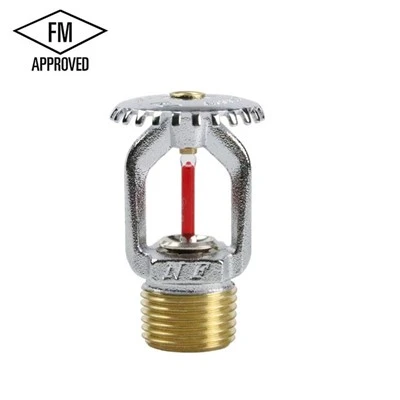
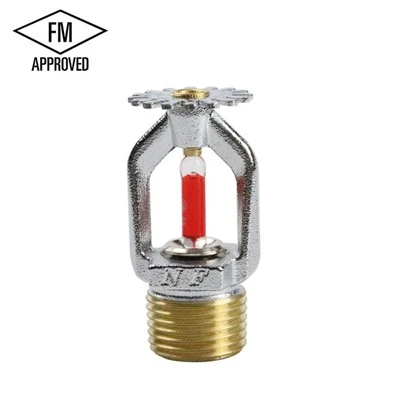
A glass bulb sprinkler uses a heat-sensitive glass bulb filled with a special liquid as the temperature sensing element.
When a fire occurs, rising heat increases the temperature around the sprinkler. Once the rated temperature is reached, the liquid inside the glass bulb expands, causing the bulb to break. This releases the sprinkler seal and allows water to discharge.
Features of Glass Bulb Sprinklers
Fast response to rising temperatures
Reliable temperature activation
Available in different temperature ratings
Suitable for various commercial and industrial applications
Commonly used in wet pipe sprinkler systems
Glass bulb sprinklers are widely applied in offices, hotels, warehouses, commercial buildings, and industrial facilities where reliable automatic fire protection is required.
What Is a Fusible Element Sprinkler?
A fusible element sprinkler uses a metal alloy component that melts when exposed to a specific temperature.
When the temperature reaches the rated activation point, the fusible element separates, releasing the sprinkler seal and allowing water flow.
Fusible element sprinklers are commonly used in applications requiring specific response characteristics, including some high-challenge fire protection systems.
Features of Fusible Element Sprinklers
Durable metal temperature sensing element
Suitable for high-temperature environments
Commonly used in specialized fire protection applications
Available for certain ESFR and industrial sprinkler designs
Glass Bulb vs Fusible Element Sprinklers: Comparison
| Feature | Glass Bulb Sprinkler | Fusible Element Sprinkler |
|---|---|---|
| Temperature sensing | Liquid-filled glass bulb | Heat-sensitive metal alloy |
| Activation method | Glass bulb breaks | Metal element melts |
| Response type | Available in quick response and standard response | Commonly used for specific industrial applications |
| Durability | Requires protection from physical impact | Strong metal sensing structure |
| Common applications | Commercial buildings, warehouses, industrial facilities | Special hazard and industrial fire protection |
Which Sprinkler Type Is Better?
There is no single "better" sprinkler type. The correct choice depends on the fire protection design requirements, hazard classification, installation environment, and applicable standards.
Choose Glass Bulb Sprinklers When:
Quick response protection is required
The system is designed according to common NFPA 13 applications
Commercial or industrial building protection is needed
Different temperature ratings are required
Choose Fusible Element Sprinklers When:
The application requires a metal heat-sensitive element
High-temperature environments are involved
The sprinkler design specifically requires fusible technology
How to Select the Right Fire Sprinkler?
Before selecting a sprinkler, consider:
1. Building Application
Warehouses, factories, offices, and storage facilities may require different sprinkler designs based on fire risk.
2. Temperature Rating
Sprinkler temperature selection should match the expected ambient temperature and installation environment.
Common temperature ratings include:
68°C (155°F)
79°C (175°F)
93°C (200°F)
3. Sprinkler Type and K-Factor
The sprinkler K-factor affects discharge flow and water distribution performance. Proper selection is important for achieving effective fire control.
4. Certification Requirements
For industrial projects, certified sprinklers such as FM Approved fire sprinklers may be required to meet project specifications and insurance requirements.
Conclusion
Both glass bulb and fusible element sprinklers provide reliable automatic fire protection, but they are designed for different applications. Glass bulb sprinklers are widely used because of their fast response and versatility, while fusible element sprinklers are suitable for specific industrial and high-temperature applications.
Selecting the correct sprinkler type requires consideration of building conditions, fire hazards, design standards, and certification requirements.
NONFIR provides high-quality fire sprinkler solutions, including FM Approved sprinkler products designed for industrial fire protection applications. Contact our technical team for more information about sprinkler selection and specifications.