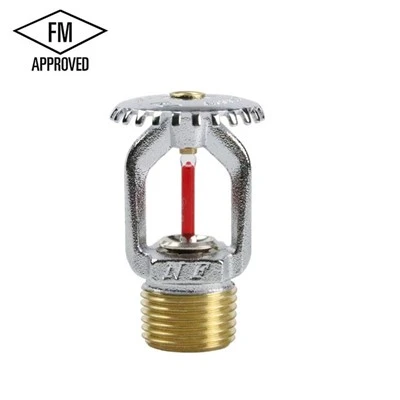
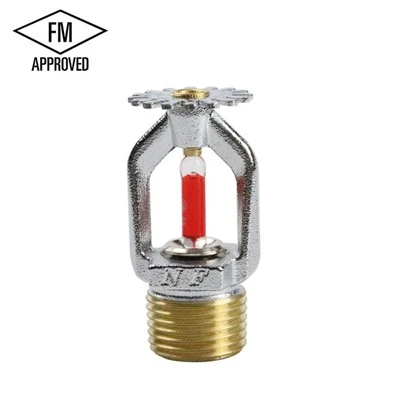
The fire sprinkler system serves as the core component of an automatic sprinkler fire suppression system. Its primary function is to automatically discharge water during the initial stages of a fire to extinguish flames, control fire spread, and minimize damage. Specific functions include:
Automatic Fire Suppression in Initial Stages
The sprinkler head contains a temperature-sensitive element (such as a glass bulb). When the ambient temperature exceeds the preset threshold (typically 68°C–79°C), the glass bulb ruptures, automatically activating the system to discharge water, directly extinguishing or controlling the fire source.
Fire and Smoke Control
Continuous water discharge lowers fire temperatures, suppresses flame spread, and reduces toxic smoke generation, buying critical time for personnel evacuation and firefighting operations.
Alarm Support Function
Components like flow indicators and pressure monitors within the system relay water discharge signals to the control center, aiding in locating the fire area and triggering alarms.
Extensive Coverage
Sprinklers are installed in various configurations (e.g., pendent, upright) across ceilings, walls, and other surfaces to ensure multi-scenario protection.