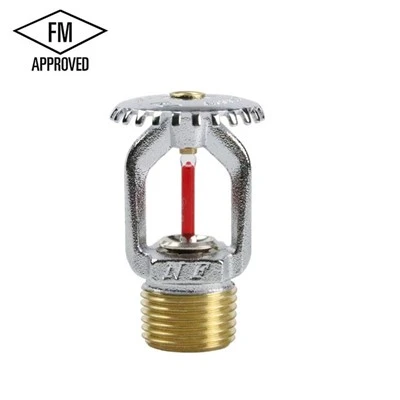
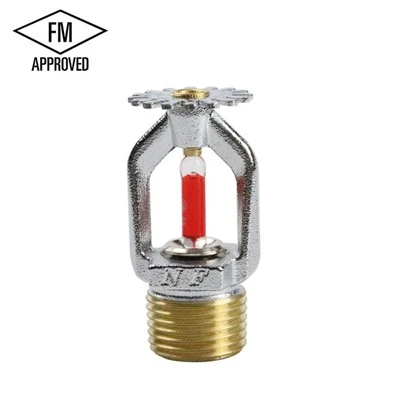
Fire sprinkler systems play a critical role in protecting lives, buildings and industrial facilities from fire hazards. To ensure reliable performance during emergencies, fire sprinklers must undergo strict testing and certification procedures before entering the market. Around the world, manufacturers follow recognized testing standards that evaluate sprinkler durability, thermal sensitivity, water distribution performance and long-term reliability.
Understanding common fire sprinkler testing standards is important for engineers, contractors, distributors and project owners when selecting products for commercial and industrial fire protection systems.

Why Fire Sprinkler Testing Standards Matter
Fire sprinklers operate under extreme conditions during real fire events. Poor-quality or uncertified products may fail to activate properly, discharge insufficient water or experience mechanical failure.
Testing standards help ensure that sprinklers can:
Activate at the correct temperature
Maintain structural integrity under pressure
Deliver proper water distribution
Resist corrosion and environmental damage
Perform consistently over long service periods
Certified sprinklers also help projects comply with:
International fire protection regulations
Insurance requirements
Building safety standards
Engineering specifications
Main International Fire Sprinkler Standards
Several organizations worldwide establish testing and certification standards for fire sprinklers.
The most recognized include:
FM Approvals
UL Solutions
NFPA standards
LPCB certification
EN standards
Each system focuses on different aspects of sprinkler safety, testing and installation.
FM Approval Standards
FM Approvals is one of the most respected certification organizations in the global fire protection industry.
FM Approved sprinklers undergo extensive testing for:
Thermal sensitivity
Water distribution
Pressure resistance
Corrosion resistance
Mechanical durability
Fire suppression performance
FM testing is particularly strict for warehouse protection applications such as ESFR systems and high-piled storage.
Many international industrial projects specifically require FM Approved sprinklers because of their proven reliability and insurance acceptance.
UL Certification Standards
UL Solutions is another major certification organization widely recognized in North America and international markets.
UL tested sprinklers are evaluated for:
Operating temperature accuracy
Leakage resistance
Mechanical strength
Hydrostatic pressure performance
Functional reliability
UL certification is commonly required in:
Commercial buildings
Residential developments
Industrial facilities
Public infrastructure projects
In many projects, UL and FM certifications are accepted together to meet engineering specifications.
NFPA Installation Standards
Unlike FM and UL, the National Fire Protection Association (NFPA) primarily develops installation and system design standards rather than product certifications.
The most important standard for sprinkler systems is:
NFPA 13
"Standard for the Installation of Sprinkler Systems"
NFPA 13 provides guidance on:
Sprinkler spacing
Pipe sizing
Hydraulic calculations
Obstruction rules
Storage protection criteria
Water supply requirements
Compliance with NFPA standards helps ensure that sprinkler systems are properly designed for effective fire protection.
LPCB Certification Standards
LPCB (Loss Prevention Certification Board) is widely recognized in the United Kingdom and many international markets.
LPCB approved sprinklers are tested for:
Product consistency
Fire performance
Manufacturing quality control
Durability under operating conditions
LPCB certification is commonly used in:
European projects
Middle East developments
International commercial buildings
European EN Standards
In Europe, fire sprinklers often comply with EN standards such as:
EN 12259
Fixed firefighting systems - Components for sprinkler and water spray systems
These standards cover:
Product dimensions
Thermal element performance
Flow characteristics
Pressure testing
Corrosion resistance
EN certified sprinklers are widely used throughout European construction projects.
Common Fire Sprinkler Performance Tests
Fire sprinkler testing involves multiple laboratory evaluations designed to simulate real operating conditions.
1. Temperature Response Test
This test verifies that the sprinkler activates at the specified temperature rating.
Common temperature ratings include:
57°C (135°F)
68°C (155°F)
79°C (175°F)
93°C (200°F)
Fast response sprinklers are tested for quicker activation times compared with standard response models.
2. Water Distribution Test
Water distribution testing evaluates how effectively the sprinkler discharges water across the protected area.
The test measures:
Spray pattern
Water density
Coverage uniformity
Penetration capability
Proper distribution is critical for suppressing fires efficiently.
3. Hydrostatic Pressure Test
Sprinklers must withstand high internal pressure without leakage or structural failure.
This test evaluates:
Body strength
Seal integrity
Long-term pressure resistance
Hydrostatic testing helps ensure reliable operation under demanding fire system conditions.
4. Corrosion Resistance Test
Fire sprinklers may operate in:
Humid environments
Coastal facilities
Chemical plants
Cold storage warehouses
Corrosion testing evaluates resistance to:
Moisture
Salt exposure
Chemical contamination
Corrosion-resistant coatings and materials help extend product lifespan.
5. Mechanical Strength Test
Sprinklers must resist accidental impact, vibration and installation stress.
Mechanical testing checks:
Frame strength
Deflector durability
Thermal element protection
Thread reliability
This helps reduce the risk of damage during installation and operation.
6. Fire Suppression Performance Test
For advanced sprinklers such as ESFR models, full-scale fire testing is extremely important.
These tests simulate:
Warehouse fires
High-piled storage fires
Plastic commodity fires
Rack storage scenarios
The goal is to verify actual suppression performance under realistic fire conditions.
Importance of Certified Fire Sprinklers
Using certified sprinklers provides multiple advantages.
Improved Reliability
Certified products are tested under strict conditions to ensure dependable performance.
Compliance with International Standards
Certification helps projects meet engineering and regulatory requirements.
Better Insurance Acceptance
Insurance companies often prefer FM or UL certified systems.
Reduced Fire Risk
High-quality sprinklers improve suppression efficiency and reduce property damage.
Long-Term Durability
Certified products typically offer better manufacturing consistency and corrosion resistance.
Challenges of Non-Certified Sprinklers
Low-quality or non-certified sprinklers may present serious risks.
Potential issues include:
Delayed activation
Poor water distribution
Leakage problems
Corrosion failure
Reduced suppression performance
In critical facilities such as warehouses and industrial plants, these failures can lead to major fire losses.
Future Trends in Fire Sprinkler Testing
As fire protection technology evolves, testing standards continue to become more advanced.
Current trends include:
Testing for automated warehouses
Protection for lithium battery storage
Smart sprinkler monitoring systems
Enhanced corrosion-resistant materials
Sustainable fire protection technologies
Manufacturers are investing heavily in research and certification to meet increasingly complex fire protection requirements.
Conclusion
Fire sprinkler testing standards play a vital role in ensuring the safety, reliability and effectiveness of fire protection systems. Certifications such as FM Approval, UL Listing, LPCB approval and EN compliance help verify that sprinklers can perform properly during real fire emergencies.
From thermal sensitivity testing to full-scale fire suppression evaluations, these standards provide confidence for engineers, contractors and building owners worldwide.
As warehouse storage heights increase and industrial fire risks become more complex, selecting certified fire sprinklers remains essential for achieving reliable and compliant fire protection solutions.