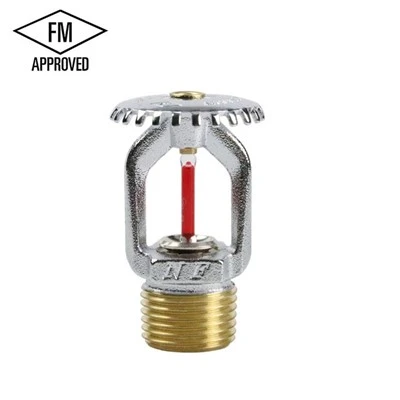
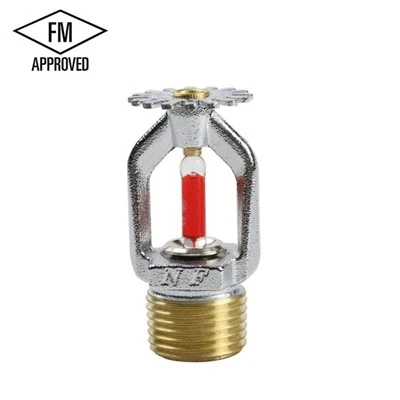
Selecting the correct fire sprinkler system is one of the most important factors in modern fire protection design. Among all design considerations, ceiling height plays a critical role in determining sprinkler type, water distribution performance, response speed, and overall fire suppression effectiveness.
Whether for warehouses, commercial buildings, industrial plants, shopping centers, or cold storage facilities, choosing the appropriate sprinkler based on ceiling height helps improve fire control efficiency while meeting international fire safety standards.
This guide explains how ceiling height affects sprinkler selection and how to choose the right sprinkler system for different applications.

Why Ceiling Height Matters in Fire Protection
Ceiling height directly influences how heat and smoke travel during a fire. In taller buildings, heat takes longer to reach the sprinkler, which may delay activation and allow the fire to grow larger before suppression begins.
High ceilings also affect:
Water distribution patterns
Sprinkler response time
Water pressure requirements
Storage protection design
Fire growth behavior
System installation layout
Improper sprinkler selection for ceiling height can reduce fire protection effectiveness and increase property damage risks.
Low Ceiling Applications
Typical Ceiling Height:
Up to 4 meters (13 feet)
Common Buildings:
Offices
Hotels
Residential buildings
Retail stores
Schools
Recommended Sprinklers:
Standard response sprinklers
Quick response sprinklers
Concealed sprinklers
Sidewall sprinklers
Low ceilings allow heat to reach sprinklers quickly, making standard sprinkler systems highly effective. Quick response sprinklers are often preferred in occupied buildings because they activate faster and improve life safety.
Medium Ceiling Applications
Typical Ceiling Height:
4 to 9 meters (13 to 30 feet)
Common Buildings:
Supermarkets
Manufacturing facilities
Commercial warehouses
Parking garages
Recommended Sprinklers:
Control mode sprinklers
Extended coverage sprinklers
Quick response sprinklers
At medium ceiling heights, sprinkler spacing and discharge patterns become more important. Extended coverage sprinklers may help reduce installation costs by covering larger floor areas.
High Ceiling Applications
Typical Ceiling Height:
Above 9 meters (30 feet)
Common Buildings:
Distribution centers
Logistics warehouses
Cold storage warehouses
Industrial facilities
Aircraft hangars
Recommended Sprinklers:
ESFR sprinklers
CMSA sprinklers
In-rack sprinklers
Large droplet sprinklers
High ceilings create additional fire protection challenges because heat and smoke rise slowly. Fires in tall storage facilities may grow rapidly before sprinkler activation occurs.
Specialized sprinklers such as ESFR (Early Suppression Fast Response) systems are designed to deliver high water flow rates quickly for warehouse fire suppression.
ESFR Sprinklers for High-Bay Warehouses
ESFR sprinklers are widely used in modern logistics and storage facilities with high ceilings and dense storage configurations.
Advantages of ESFR Sprinklers:
Fast activation
High water discharge density
Strong fire suppression capability
Reduced need for in-rack sprinklers
Suitable for plastic commodity storage
ESFR systems are commonly installed in warehouses with ceiling heights exceeding 12 meters.
Cold Storage Ceiling Challenges
Cold storage warehouses often combine:
High ceilings
Low temperatures
Dense pallet storage
Automated racking systems
These factors require careful sprinkler selection.
Common Solutions:
Dry ESFR sprinklers
Dry pendent sprinklers
Corrosion-resistant sprinklers
FM approved low-temperature systems
Dry sprinkler systems help prevent freezing while maintaining reliable fire protection performance.
Ceiling Obstructions and Sprinkler Performance
Ceiling design also impacts sprinkler effectiveness. Obstructions such as:
Air ducts
Beams
Cable trays
Lighting systems
Storage racks
may block water distribution or delay heat collection.
Fire protection engineers must ensure proper sprinkler spacing and positioning to avoid blocked spray patterns.
Importance of Water Pressure and K-Factor
Higher ceilings usually require sprinklers with larger K-factors to deliver sufficient water density to the fire area.
The K-factor determines how much water flows through the sprinkler at a given pressure.
Common warehouse applications may use:
K11.2 sprinklers
K14 sprinklers
K16.8 sprinklers
K22.4 ESFR sprinklers
K25.2 ESFR sprinklers
Larger K-factors improve suppression performance in high-ceiling storage facilities.
International Standards for Sprinkler Selection
Ceiling-height-based sprinkler selection is typically designed according to:
NFPA 13
FM Global standards
EN fire protection standards
Local fire codes
These standards specify:
Maximum ceiling heights
Sprinkler spacing
Storage classification
Water density requirements
Installation methods
Compliance with these regulations is essential for fire safety approval and insurance acceptance.
Common Mistakes in High Ceiling Fire Protection
Using Standard Sprinklers in Tall Warehouses
Standard sprinklers may not provide sufficient suppression performance for high storage applications.
Incorrect Sprinkler Spacing
Improper layout can leave unprotected areas or reduce water distribution effectiveness.
Ignoring Storage Configuration
Commodity type and rack arrangement significantly affect sprinkler design requirements.
Insufficient Water Supply
Large warehouses require adequate water pressure and flow capacity.
Future Trends in Warehouse Fire Protection
As warehouses become taller and more automated, fire protection systems continue evolving.
Industry trends include:
Smart fire monitoring systems
FM approved ESFR technology
Corrosion-resistant sprinklers
High-capacity suppression systems
Energy-efficient cold storage protection
Modern sprinkler technologies are improving both fire safety and operational efficiency.
Conclusion
Ceiling height is one of the most important factors in fire sprinkler system design. Different building heights require different sprinkler technologies to ensure effective fire suppression and compliance with safety standards.
Low-rise commercial buildings may use standard or quick response sprinklers, while high-bay warehouses often require ESFR or specialized suppression systems.
Proper sprinkler selection based on ceiling height helps improve fire protection performance, reduce property damage, and ensure long-term system reliability.