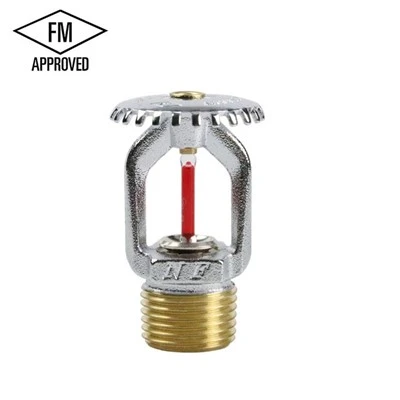
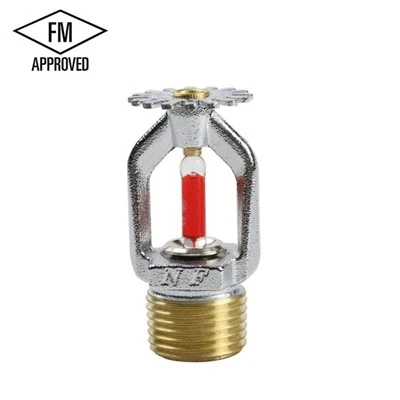
Rising Importance of Durability in Fire Protection Systems
In modern fire protection systems, fire sprinkler heads are expected to remain reliable for many years without failure. As buildings become more complex and maintenance intervals longer, corrosion resistance has become one of the most important factors in sprinkler selection. A sprinkler system is often installed for decades, so long-term material stability directly affects safety performance.
Corrosion-related failures can reduce water discharge efficiency, block sprinkler openings, or even cause leakage. This is why engineers and project owners are paying more attention to material quality and surface protection when selecting fire sprinkler heads.


Why Corrosion Happens in Fire Sprinkler Systems
Environmental Exposure
Fire sprinkler systems are often installed in environments exposed to humidity, temperature changes, and airborne contaminants. Common conditions that accelerate corrosion include:
High humidity in coastal or basement areas
Dust and chemical exposure in industrial buildings
Temperature fluctuations in mechanical rooms
Over time, these factors can weaken metal components and reduce system reliability.
Water Quality and Internal Deposits
The quality of water inside the piping system also plays a major role. Hard water, sediment, or impurities can gradually build up inside sprinkler heads and pipes. This may lead to:
Partial blockage of water discharge
Reduced spray pattern efficiency
Increased risk of malfunction during activation
Long-Term System Aging
Even in normal conditions, fire sprinkler systems are expected to remain idle for long periods. Without regular flow, internal components may slowly degrade, especially if corrosion protection is insufficient.
How Corrosion Resistance Improves Fire Sprinkler Performance
Stable Long-Term Operation
Sprinklers with strong corrosion resistance maintain consistent performance over time. High-quality coatings and durable materials help ensure that the sprinkler will activate properly even after years of installation.
Reduced Maintenance and Replacement Costs
Corrosion-resistant materials significantly reduce the need for frequent maintenance or early replacement. This is especially important for large-scale commercial or industrial projects where system downtime is costly.
Improved Safety Reliability
The primary purpose of fire sprinklers is life safety. Corrosion protection ensures that water discharge is not blocked or delayed during an emergency, improving overall system reliability.
Common Materials Used for Corrosion Resistance
Modern fire sprinkler heads typically use materials such as:
Brass with protective coating
Stainless steel components
Corrosion-resistant plating finishes
Each material is selected based on environmental conditions and project requirements.
Industry Trend: Higher Standards for Long-Term Performance
As global fire safety standards become stricter, corrosion resistance is now considered a key selection factor alongside FM/UL certification, K-factor, and response type. Many engineering projects now require documented corrosion resistance testing as part of product approval.
This trend reflects a shift from short-term compliance to long-term system reliability in fire protection design.
Conclusion
Corrosion resistance is becoming a critical factor in fire sprinkler selection due to its direct impact on system durability, maintenance cost, and emergency performance. In modern fire protection projects, selecting high-quality, corrosion-resistant, and certified sprinkler heads ensures long-term safety and reliable operation in all environments.
Contact Us
For FM/UL certified fire sprinkler heads and fire protection solutions, please contact:
NONFIR Fire Protection
🌐 Website: www.nonfirsprinkler.com
📧 Email: info@nfsprinkler.com
📱 WhatsApp: +86 18160950625
We provide reliable fire sprinkler systems, valves, hydrants, and OEM/ODM services for global fire protection projects.