As industrial facilities face increasingly demanding operating conditions, the materials used in fire protection systems have become just as important as the system design itself. In environments exposed to moisture, chemicals, salt air, or frequent washdowns, traditional carbon steel components may be vulnerable to corrosion and premature failure.
To address these challenges, stainless steel fire protection equipment is playing an increasingly important role across a wide range of industries. From fire sprinklers and hydrants to monitors and valves, stainless steel construction offers enhanced durability, reliability, and long-term performance.

Why Material Selection Matters in Fire Protection
Fire protection systems are expected to remain operational for years, often decades, while requiring minimal maintenance. Corrosion can compromise system integrity, reduce water flow, damage critical components, and increase maintenance costs.
In harsh environments, selecting corrosion-resistant materials helps ensure that fire protection equipment remains ready to perform when needed most.
Key considerations include:
Exposure to moisture and humidity
Saltwater and marine atmospheres
Chemical processing environments
Food and beverage sanitation requirements
Outdoor industrial installations
Long-term lifecycle costs
Advantages of Stainless Steel Fire Protection Equipment
Superior Corrosion Resistance
One of the primary benefits of stainless steel is its ability to resist corrosion in aggressive environments. Grades such as SS304 and SS316 provide excellent protection against rust, oxidation, and chemical exposure.
This makes stainless steel particularly suitable for coastal facilities, offshore platforms, wastewater treatment plants, and chemical processing operations.
Extended Service Life
Compared with conventional materials, stainless steel equipment can maintain structural integrity and appearance for many years with minimal degradation.
Benefits include:
Reduced replacement frequency
Lower maintenance requirements
Improved reliability
Lower total cost of ownership
Improved Hygiene Performance
Food processing facilities, pharmaceutical plants, and beverage manufacturing operations often require equipment that can withstand frequent cleaning and sanitation procedures.
Stainless steel surfaces are easy to clean and resist contamination, making them a preferred material in hygienic environments.
Enhanced Mechanical Strength
Stainless steel components provide excellent strength under demanding operating conditions, helping ensure reliable performance during emergency situations.
Common Stainless Steel Fire Protection Products
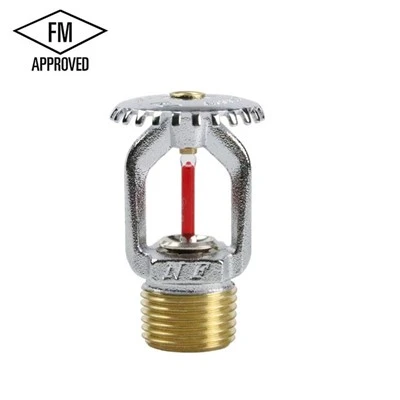
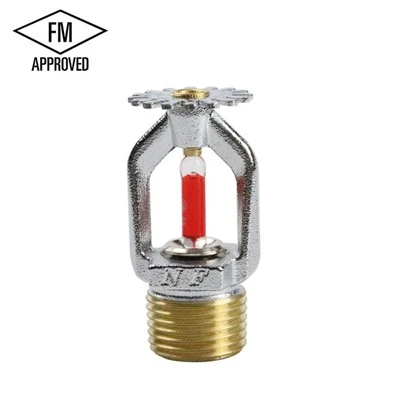
Fire Sprinklers
Stainless steel sprinklers are commonly used in:
Food processing facilities
Cold storage warehouses
Pharmaceutical plants
Coastal industrial sites
Chemical manufacturing facilities
These sprinklers help maintain reliable operation even when exposed to corrosive conditions.
Fire Monitors
Industrial fire monitors installed in petrochemical plants, marine terminals, and offshore facilities often utilize stainless steel bodies to improve resistance against environmental exposure.
Fire Hydrants
Above-ground and pillar hydrants located in coastal or industrial environments benefit from stainless steel construction that helps minimize corrosion-related maintenance issues.
Valves and Piping Components
Control valves, strainers, couplings, and other system components are increasingly available in stainless steel configurations to support long-term system reliability.
Industries Driving Demand
Marine and Offshore Facilities
Salt-laden air is one of the most aggressive environments for metal equipment. Stainless steel fire protection products are widely used on:
Offshore platforms
Shipyards
Ports and terminals
Marine fuel storage facilities
Food and Beverage Processing
Strict hygiene standards and frequent washdowns make corrosion-resistant equipment essential.
Applications include:
Beverage production plants
Dairy facilities
Meat processing plants
Commercial food manufacturing
Chemical and Petrochemical Plants
Chemical exposure can accelerate deterioration of standard materials. Stainless steel equipment helps improve durability and reduce maintenance requirements in these demanding environments.
Water and Wastewater Treatment Facilities
Continuous exposure to moisture and corrosive substances makes stainless steel a practical choice for many fire protection applications.
SS304 vs SS316: Which Is Better?
The two most common stainless steel grades used in fire protection equipment are SS304 and SS316.
| Feature | SS304 | SS316 |
|---|---|---|
| Corrosion Resistance | Excellent | Superior |
| Chloride Resistance | Good | Excellent |
| Marine Applications | Suitable | Preferred |
| Chemical Resistance | Good | Better |
| Cost | Lower | Higher |
For most industrial applications, SS304 offers excellent performance. However, SS316 is generally recommended for marine, offshore, and highly corrosive environments where maximum corrosion resistance is required.
Future Outlook
As industries place greater emphasis on asset reliability, lifecycle cost reduction, and regulatory compliance, demand for stainless steel fire protection equipment is expected to continue growing.
Modern facilities are increasingly prioritizing durable materials that can deliver dependable fire protection performance while minimizing maintenance and operational disruptions.
Conclusion
Stainless steel fire protection equipment offers significant advantages in corrosive and demanding environments. Its resistance to corrosion, long service life, mechanical strength, and suitability for hygienic applications make it an increasingly popular choice across multiple industries.
As industrial facilities continue to seek reliable and low-maintenance fire safety solutions, stainless steel components are expected to play an even greater role in the future of fire protection.