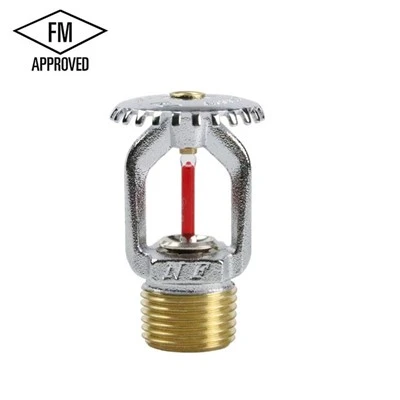
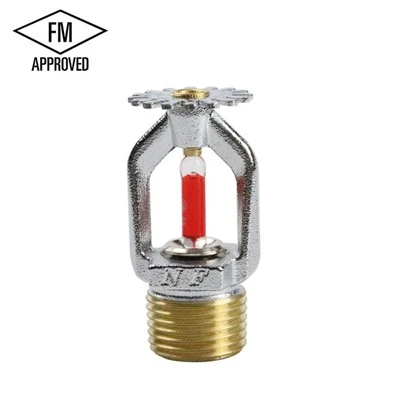
Fire sprinkler systems are designed to control fires, but the 2024 Bio-Lab incident in Conyers, Georgia, shows why sprinkler inspection and corrosion control are equally important. In this case, the problem was not a sprinkler failing to activate during a fire. A corroded sprinkler system component leaked water, which contributed to a chemical reaction that led to heat, toxic gas release, and fire.

How Did the Incident Start?
On September 29, 2024, a major chemical incident occurred at the Bio-Lab facility in Conyers, Georgia. The warehouse stored large quantities of pool-treatment chemicals, including chlorinated isocyanurates.
According to the U.S. Chemical Safety and Hazard Investigation Board (CSB), a corroded sprinkler system component failed at approximately 5:00 a.m. Water came into contact with the stored chemicals and initiated a decomposition reaction. The reaction generated significant heat and subsequently caused additional sprinkler heads to activate, allowing more water to contact reactive materials. This contributed to further chemical reactions, fires, and the release of toxic vapors.
Corrosion Was a Long-Term Warning Sign
The investigation found that corrosion had affected the sprinkler system for years. Chlorine-containing chemicals released fumes that combined with humidity and condensed on metal surfaces, creating conditions that promoted corrosion.
During an annual sprinkler inspection in December 2023, more than 1,100 sprinkler heads in the warehouse were visually observed to be corroded. The facility also experienced repeated sprinkler system leaks and emergency repairs before the incident.
This makes the case different from a conventional fire protection failure. The sprinkler system did not simply fail to control an existing fire. A degraded component became part of the sequence that initiated the incident.

What Does This Mean for Sprinkler System Maintenance?
The Bio-Lab investigation highlights several important considerations for industrial facilities, especially those storing corrosive or reactive chemicals.
Regular inspection should look beyond whether a sprinkler can activate. Corrosion, leakage, damaged components, unsuitable materials, and environmental exposure should also be evaluated.
Where corrosive atmospheres or chemicals are present, sprinkler components and piping should be selected and maintained with the operating environment in mind. The CSB specifically recommended that applicable facilities address corrosion resistance and compliance with NFPA 13 and NFPA 400 requirements.
Fire Protection Is More Than Fire Activation
A sprinkler system must remain reliable before an emergency occurs. A sprinkler head that is corroded, leaking, or otherwise degraded can create risks that go beyond reduced fire protection performance.
The Bio-Lab case demonstrates an important principle for industrial fire protection: sprinkler inspection is not only about asking whether the system will activate during a fire, but also whether the system remains safe and suitable for the environment in which it operates.