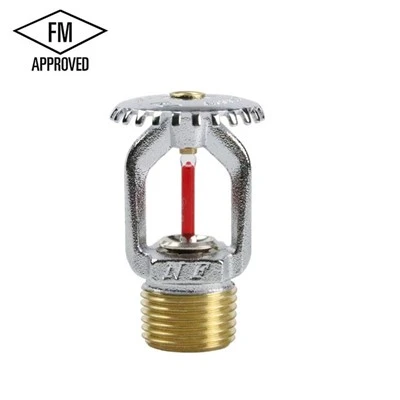
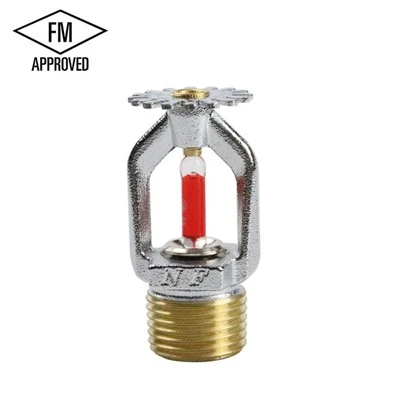
A sprinkler system is a critical component of fire protection in homes, commercial buildings, and industrial facilities. It is designed to detect and suppress fires quickly, reducing damage and enhancing safety.
1. Detection
Most fire sprinkler systems are equipped with heat-sensitive elements, such as glass bulbs or fusible links. When a fire occurs, the heat causes these elements to break or melt, triggering the sprinkler head.
2. Activation
Once activated, the sprinkler head opens, releasing water directly over the fire. Only the sprinklers exposed to heat activate, which helps minimize water damage to other areas.
3. Water Supply
The system draws water from a dedicated pipe network connected to a municipal supply, fire pump, or water storage tank. Pressure is maintained to ensure rapid and effective water distribution.
4. Fire Suppression
Water is discharged in a controlled spray pattern, either as a steady stream or a fine mist, to cool flames, reduce heat, and suppress fire spread. In some systems, foam or other fire-retardant agents may be used.
5. System Types
Sprinkler systems vary based on design and application:
Wet pipe systems: Pipes are always filled with water and respond immediately
Dry pipe systems: Pipes are filled with air; water flows only when the system is triggered
Preaction systems: Require a separate detection system before water is released
Deluge systems: All sprinklers open simultaneously for high-risk areas
Conclusion
A properly designed sprinkler system works automatically to detect and suppress fires, protecting lives, property, and critical infrastructure. Regular maintenance and inspection ensure reliable performance in case of emergency.