Introduction
In 2026, the fire protection industry is seeing a rising demand for corrosion-resistant fire sprinkler systems, especially in environments exposed to moisture, chemicals, or extreme conditions. As system failures caused by corrosion gain more attention, engineers and facility managers are prioritizing long-term reliability over initial cost savings.
This shift is influencing product selection, system design, and maintenance strategies across multiple industries.

Why Corrosion Is a Serious Concern in Fire Protection
Corrosion is one of the most common causes of fire sprinkler system failure. Over time, exposure to humidity, salt air, or industrial chemicals can weaken metal components, leading to:
Pipe leakage or blockage
Reduced water flow
Premature sprinkler activation or failure
Guidelines from the National Fire Protection Association highlight corrosion as a key factor affecting system reliability and long-term performance.
Industries Driving the Demand
The need for corrosion-resistant sprinklers is particularly strong in the following sectors:
1. Coastal and Marine Environments
Buildings near the ocean are exposed to salt-laden air, which accelerates corrosion of standard metal components.
2. Industrial Facilities
Chemical plants, manufacturing sites, and processing facilities often expose fire protection systems to corrosive substances.
3. Cold Storage and High-Humidity Areas
Condensation and temperature fluctuations in cold storage warehouses can lead to internal and external corrosion of sprinkler systems.
4. Parking Structures and Underground Spaces
These areas are prone to moisture accumulation and poor ventilation, increasing corrosion risks over time.
Material Innovation in Fire Sprinkler Manufacturing
To address these challenges, manufacturers are developing advanced materials and coatings, including:
Corrosion-resistant alloys
Special protective coatings (e.g., epoxy, polyester)
Stainless steel components for extreme environments
Certification bodies such as FM Approvals are also placing greater emphasis on durability testing to ensure long-term performance under harsh conditions.
Benefits of Corrosion-Resistant Sprinklers
Extended Service Life
High-quality materials significantly reduce wear and extend the lifespan of sprinkler systems.
Improved System Reliability
Corrosion-resistant components are less likely to fail during critical fire events.
Lower Maintenance Costs
Reduced corrosion means fewer repairs, replacements, and system downtime.
Enhanced Compliance
Using durable, certified products helps meet increasingly strict fire safety regulations.
Challenges and Cost Considerations
While corrosion-resistant sprinklers offer clear benefits, some challenges remain:
Higher initial investment compared to standard products
Need for proper system design and material selection
Limited awareness in some markets
However, industry experts agree that the long-term cost savings and safety benefits outweigh the upfront expense.
What This Means for the Fire Protection Market
The growing focus on corrosion resistance reflects a broader industry trend: prioritizing lifecycle performance over short-term cost savings.
Manufacturers that invest in:
Advanced materials
Certified product development
Application-specific solutions
are better positioned to meet evolving market demands.
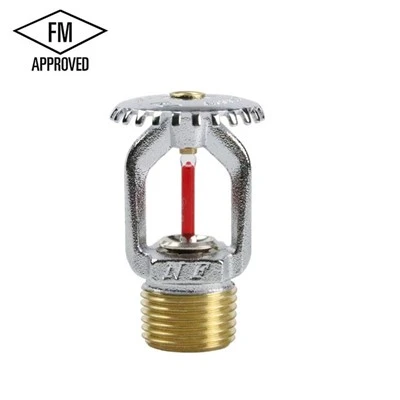
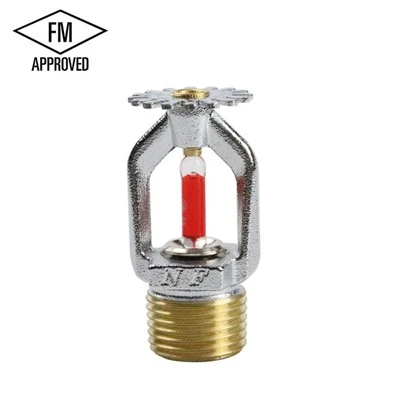
Brands offering FM approved and corrosion-resistant sprinkler heads, such as NONFIR, are increasingly aligned with these industry trends.
Conclusion
As fire protection systems are expected to perform reliably over decades, corrosion resistance is becoming a key consideration in product selection. The increasing demand for durable, high-performance sprinkler systems highlights the industry's shift toward long-term safety and reliability.
For engineers, contractors, and building owners, choosing corrosion-resistant solutions is no longer optional-it is a critical investment in fire protection.