High-rise buildings present complex fire protection challenges because of their height, large occupancy, vertical construction, and multiple floors. A reliable fire protection strategy requires properly selected equipment, suitable water supply, effective zoning, and regular inspection to help maintain protection throughout the building.
Maintaining Adequate Water Pressure
Water pressure can vary significantly between lower and upper floors. As building height increases, the fire protection system must account for elevation differences and hydraulic requirements.
Sprinklers, valves, pipes, and other system components should be selected according to the design requirements and expected operating conditions.
Sprinkler Coverage and Obstructions
High-rise buildings often contain different room layouts, ceilings, partitions, lighting fixtures, ducts, and other building services. These elements can affect sprinkler discharge patterns and create potential obstructions.
Sprinkler location and spacing should therefore follow the applicable fire protection standards and project design.
System Zoning
Large high-rise buildings are commonly divided into multiple fire protection zones. Zoning can help manage water supply, system monitoring, maintenance, and fire protection requirements across different floors or areas.
Zone control valves and associated components need to be properly selected and installed according to the system design.
Selecting the Appropriate Sprinkler
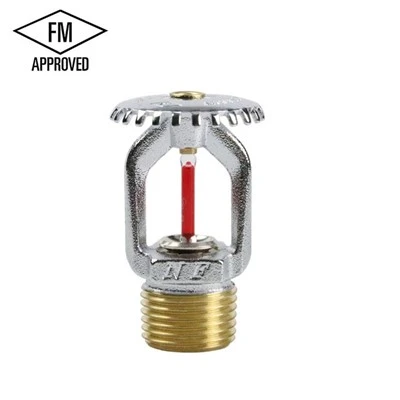
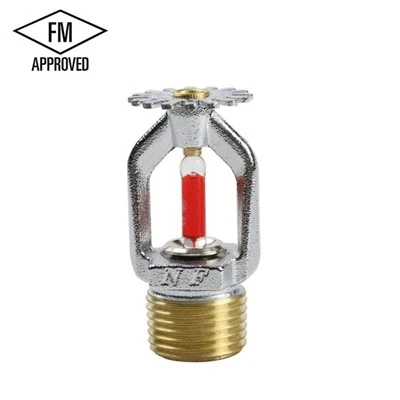
Sprinkler selection depends on factors such as building occupancy, hazard classification, ceiling configuration, temperature conditions, response characteristics, and required water discharge.
For projects requiring certified sprinklers, buyers should verify that the specific sprinkler model, K-factor, temperature rating, and certification correspond to the project requirements.
Inspection and Maintenance
A high-rise fire protection system contains many components distributed throughout the building. Regular inspection and maintenance are important for identifying damaged sprinklers, valve problems, corrosion, blocked components, and other conditions that could affect system performance.
Maintenance requirements should follow applicable standards and local regulations.
Conclusion
Fire protection in high-rise buildings requires careful consideration of water pressure, sprinkler coverage, system zoning, equipment selection, and maintenance. Because building conditions and regulatory requirements vary, fire protection equipment should be selected according to the project's specific design and applicable standards.
Properly specified and maintained sprinkler equipment can form an important part of a comprehensive fire protection strategy for high-rise buildings.