Introduction
A dry pipe sprinkler system is an automatic fire protection system designed for areas where traditional wet pipe sprinkler systems may not be suitable due to freezing temperatures or harsh environmental conditions.
Unlike a wet pipe sprinkler system, where water is always stored inside the pipes, a dry pipe sprinkler system keeps the piping network filled with compressed air or nitrogen. Water is released only when a sprinkler head is activated and the dry alarm valve opens.
Dry pipe sprinkler systems are widely used in industrial buildings, warehouses, parking garages, and other unheated areas where freeze protection is required.

How Does a Dry Pipe Sprinkler System Work?
A dry pipe sprinkler system operates through several key steps:
1. Normal Standby Condition
Under normal conditions:
The sprinkler piping is filled with pressurized air or nitrogen.
The dry pipe alarm valve remains closed.
Water is held back in the supply pipe.
This design prevents water from freezing inside the sprinkler pipes.
2. Fire Detection and Sprinkler Activation
When a fire occurs:
Heat rises and reaches the sprinkler head.
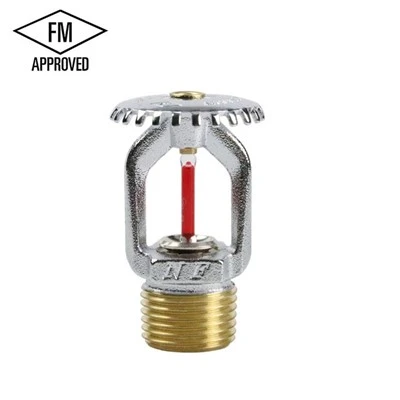
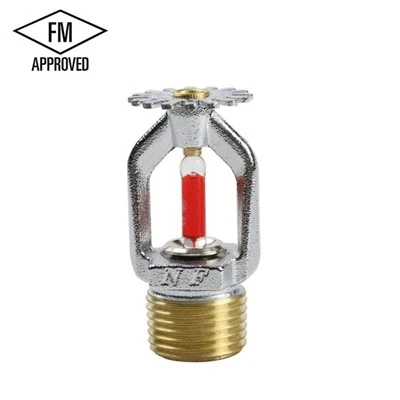
The glass bulb breaks after reaching its rated temperature.
The sprinkler opens.
Air pressure inside the pipe network decreases.
3. Water Delivery
After the air pressure drops:
The dry pipe valve opens.
Water enters the sprinkler piping.
Water is discharged through the activated sprinkler head.
The fire is controlled and suppressed.
Only the sprinkler exposed to sufficient heat operates, helping to minimize unnecessary water damage.
Main Components of a Dry Pipe Sprinkler System
A typical dry pipe sprinkler system includes:
1. Dry Pipe Alarm Valve
The dry valve controls water entry into the sprinkler piping and prevents water from entering before system activation.
2. Sprinkler Heads
Sprinkler heads detect heat and release water when the activation temperature is reached.
3. Air Compressor or Nitrogen Supply
Compressed air or nitrogen maintains pressure inside the piping network.
4. Alarm Devices
The system can include water flow alarms and pressure monitoring devices to notify occupants and emergency teams.
Applications of Dry Pipe Sprinkler Systems
Dry pipe sprinkler systems are commonly installed in:
1. Cold Storage Facilities
Cold rooms and refrigerated warehouses require fire protection systems that can operate under low temperatures.
2. Parking Garages
Open or semi-open parking areas may experience freezing conditions, making dry systems a suitable choice.
3. Warehouses and Industrial Buildings
Unheated warehouses and manufacturing facilities often use dry pipe systems to protect stored goods and equipment.
4. Outdoor or Semi-Outdoor Areas
Areas exposed to cold weather conditions can benefit from dry sprinkler protection.
Advantages of Dry Pipe Sprinkler Systems
1. Freeze Protection
The biggest advantage of a dry pipe system is preventing water from freezing inside sprinkler pipes.
2. Suitable for Low-Temperature Environments
It provides reliable fire protection in areas where wet pipe systems cannot be installed.
3. Automatic Fire Suppression
Like other automatic sprinkler systems, dry pipe sprinklers activate without manual operation.
4. Reduced Risk of Pipe Damage
By keeping water out of the pipes during normal conditions, the risk of freeze-related pipe failure is reduced.
Dry Pipe Sprinkler System vs Wet Pipe Sprinkler System
| Feature | Dry Pipe Sprinkler System | Wet Pipe Sprinkler System |
|---|---|---|
| Pipe contents | Compressed air/nitrogen | Water |
| Activation speed | Slightly slower | Faster |
| Freeze protection | Excellent | Limited |
| Maintenance requirement | Higher | Lower |
| Typical applications | Cold areas, warehouses | Heated buildings |
Why Choose a Dry Pipe Sprinkler System?
Selecting the right sprinkler system depends on building conditions, climate, and fire protection requirements.
A dry pipe sprinkler system is an ideal solution for facilities where temperatures may fall below freezing. It provides reliable automatic fire protection while preventing water-filled pipes from freezing and becoming damaged.
For industrial facilities, logistics centers, and cold storage buildings, dry pipe sprinkler systems are an important part of a complete fire protection strategy.
Conclusion
A dry pipe sprinkler system is a reliable automatic fire protection solution designed for cold and unheated environments. By using compressed air or nitrogen instead of water inside the piping network, it provides effective fire protection while reducing the risk of freezing.
Understanding the working principle, applications, and benefits of dry pipe sprinkler systems helps building owners and engineers select the right fire protection solution for their projects.