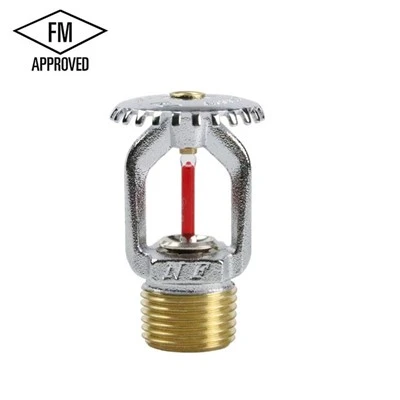
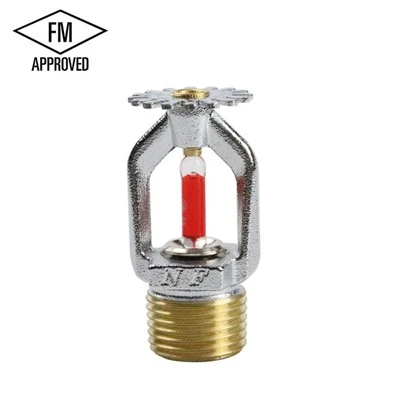
Corrosion is one of the most common issues affecting fire sprinkler systems, especially in humid, coastal, and industrial environments. In recent years, the demand for corrosion-resistant fire sprinkler heads has increased significantly as building safety standards continue to improve worldwide.

Why Corrosion Resistance Matters in Fire Sprinklers
Fire sprinkler systems are expected to remain reliable for decades. However, internal corrosion can lead to:
Reduced water flow efficiency
Blocked or partially obstructed sprinkler heads
Premature system failure
Increased maintenance costs
In critical fire events, even minor corrosion can significantly affect system performance and response time.
Industry Standards Driving Material Upgrades
Fire protection standards from the National Fire Protection Association emphasize long-term system reliability and proper maintenance of sprinkler installations.
As a result, manufacturers and engineers are increasingly focusing on:
Improved internal coatings
Higher quality metal materials
Better sealing structures
Long-term durability testing
These improvements help ensure stable performance in demanding environments.
FM Approved Sprinklers and Corrosion Testing
Many corrosion-resistant sprinkler models are also tested and approved under strict performance standards set by FM Global.
FM testing typically evaluates:
Resistance to internal and external corrosion
Long-term exposure performance
Operational reliability after aging
Consistency under high-pressure conditions
This makes FM approved corrosion-resistant sprinklers widely used in industrial and commercial projects.
Common Environments Where Corrosion Is a Risk
Corrosion problems are especially common in:
Coastal buildings with high salt exposure
Industrial plants with chemical vapors
Cold storage and humid environments
Underground or poorly ventilated spaces
In these conditions, standard sprinkler heads may degrade faster without protective measures.
Industry Trend: Shift Toward High-Durability Fire Protection Systems
The global fire protection industry is shifting toward longer-life, low-maintenance systems. Key trends include:
Use of stainless steel or special alloy components
Advanced anti-corrosion coatings
Sealed structure sprinkler designs
Extended service life certification requirements
These innovations reduce lifecycle cost while improving safety performance.
Impact on Fire Sprinkler Selection
For engineers and project designers, corrosion resistance is now a key selection factor alongside:
K-factor and flow performance
Response time classification
Installation type (upright, pendent, sidewall)
Certification requirements (FM/UL)
Choosing the right sprinkler helps ensure long-term reliability and compliance.
Conclusion
Corrosion resistance has become a major focus in modern fire sprinkler system design. With stricter safety standards and increasing environmental challenges, demand for durable and FM approved sprinkler heads continues to grow globally.
High-quality corrosion-resistant sprinklers help ensure stable fire protection performance throughout the system's lifecycle, reducing maintenance costs and improving safety reliability.
NONFIR Fire Protection
🌐 Website: www.nonfirsprinkler.com
📧 Email: info@nfsprinkler.com
📱 WhatsApp: +86 18160950625
NONFIR supplies FM approved fire sprinkler heads with high durability and corrosion-resistant options for global fire protection projects. Contact us for technical details and cooperation.