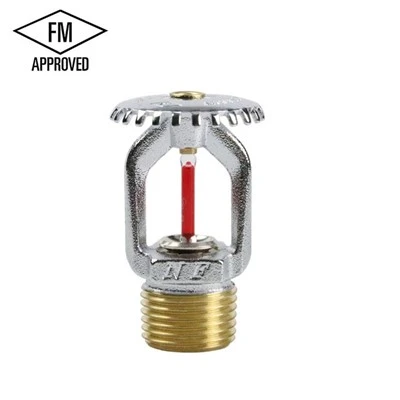
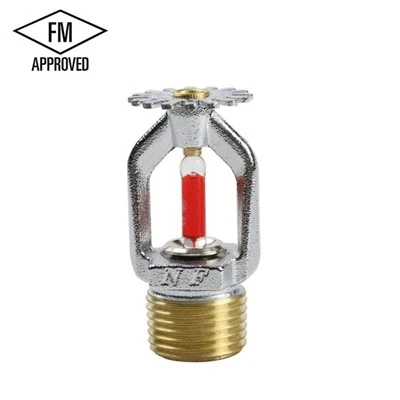
Fire sprinkler systems are a critical part of modern fire protection strategies. Understanding when they are required is essential for building owners, contractors, and developers to ensure compliance with fire safety regulations and protect lives and property.
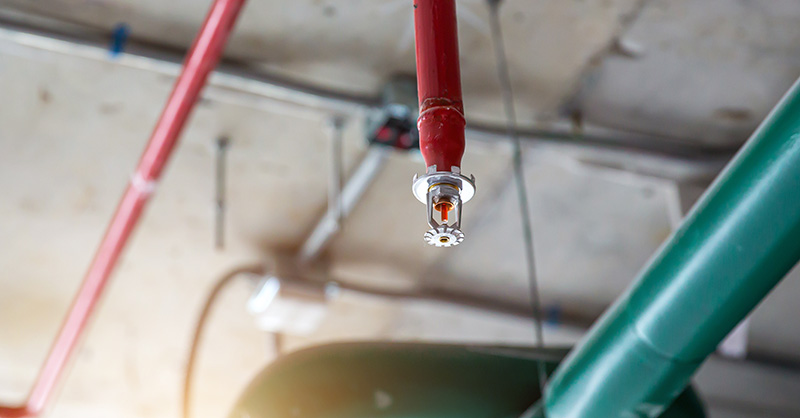
Building Codes and Regulations
Fire sprinkler system requirements are primarily determined by local building codes and international standards such as those from the National Fire Protection Association. The most widely referenced standard is NFPA 13, which outlines the installation of sprinkler systems in commercial and industrial buildings.
Local authorities may also adopt additional codes or modify existing standards, so it is important to verify requirements based on the project location.
Types of Buildings That Require Sprinkler Systems
Commercial Buildings
Most commercial buildings, including offices, shopping centers, and hotels, are required to install fire sprinkler systems. Larger buildings or those with high occupant loads typically have stricter requirements.
Residential Buildings
In many regions, multi-family residential buildings such as apartments and condominiums must install sprinkler systems. Standards like NFPA 13R and NFPA 13D apply to residential occupancies.
Industrial Facilities
Factories, warehouses, and manufacturing plants often require sprinkler systems, especially when storing flammable or hazardous materials.
Based on Building Size and Height
Sprinkler systems are often required when a building exceeds certain thresholds, such as:
Floor area exceeding a specific size
Building height beyond a set limit
Multiple stories or underground levels
High-rise buildings almost always require automatic sprinkler protection due to increased evacuation challenges.
Based on Occupancy Hazard Level
Fire codes classify buildings based on hazard levels:
Light Hazard: Offices, schools
Ordinary Hazard: Retail stores, parking garages
Extra Hazard: Industrial sites with flammable liquids
The higher the hazard classification, the more likely a sprinkler system is mandatory.
Special Areas That Require Sprinklers
Even if an entire building is not required to have a sprinkler system, certain areas often must be protected:
Boiler rooms
Electrical rooms
Storage areas
Commercial kitchens
These areas present higher fire risks and are typically regulated more strictly.
Legal and Insurance Requirements
Insurance companies may require sprinkler systems to reduce risk and lower premiums. In some cases, installing a system can significantly decrease insurance costs while improving overall safety.
Additionally, failure to comply with fire sprinkler requirements can result in penalties, project delays, or denial of occupancy permits.
Why Fire Sprinkler Systems Are Essential
Beyond legal requirements, fire sprinkler systems play a vital role in:
Controlling fires at an early stage
Reducing property damage
Improving occupant safety
Supporting firefighting operations
Modern systems are highly reliable and activate only when necessary, minimizing water damage while maximizing fire control efficiency.
Conclusion
Fire sprinkler systems are required based on building type, size, occupancy, and local fire codes. Whether mandated by law or driven by safety considerations, installing a properly designed sprinkler system is one of the most effective ways to protect people and property from fire hazards.
Get a Free Quote Today
Looking for FM-certified fire sprinkler systems from a reliable manufacturer? Contact NONFIR today for professional support and fast quotation:
🌐 Website: www.nonfirsprinkler.com
📧 Email: info@nfsprinkler.com
📱 WhatsApp: +86 18160950625
NONFIR focuses on certified fire sprinkler products, ensuring stable quality, compliance, and global supply capability.