Corrosion is a potential problem in fire sprinkler systems that can affect pipes, fittings, and sprinkler components. It may develop because of water chemistry, moisture, environmental conditions, or incompatible materials. Understanding the causes of corrosion helps building owners, maintenance teams, and fire protection professionals identify risks and take appropriate preventive measures.
1. Water Quality and Internal Pipe Corrosion
Water inside a sprinkler system can contribute to corrosion over time. Dissolved oxygen, water chemistry, and other conditions may promote reactions with metallic pipe surfaces. In some systems, corrosion products can accumulate inside pipes and potentially restrict water flow or affect system components.
The risk depends on the piping material, water conditions, system design, and operating environment. Regular inspections and appropriate maintenance can help identify signs of internal corrosion before they become more serious.
2. Moisture and Environmental Conditions
External corrosion may occur when metal components are exposed to persistent moisture, condensation, high humidity, or corrosive substances. Sprinkler piping installed in damp areas, coastal environments, or locations exposed to industrial chemicals may require particular attention.
The condition of the surrounding environment should be considered when selecting materials and protective finishes. Any coating or material used must be suitable for the intended application and compatible with the relevant product requirements.
3. Material Compatibility and Surface Finishes
Different metals and finishes have different corrosion resistance properties. Selecting unsuitable materials for a particular environment can increase the risk of deterioration. Contact between dissimilar metals may also contribute to galvanic corrosion under suitable conditions.
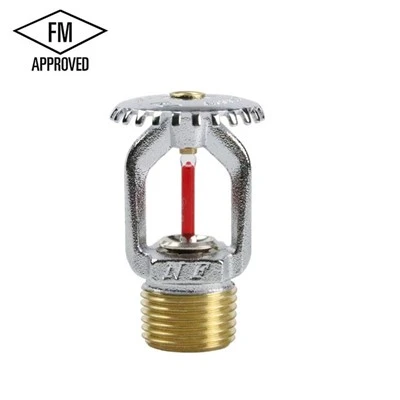
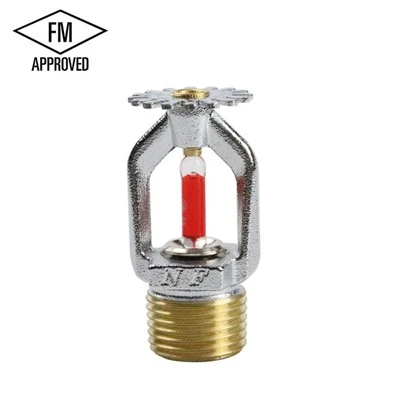
For sprinkler heads, the surface finish should match the intended installation environment and the manufacturer's specifications. Chrome-plated, wax-coated, and other finishes should not be treated as interchangeable without checking their suitability for the application.
[Internal Link 1: Fire Sprinkler Material and Finish]
4. How Can Corrosion Affect Fire Sprinklers?
Corrosion can affect different parts of a sprinkler system in different ways. Internal pipe corrosion may reduce the effective flow area or contribute to blockage. External corrosion on a sprinkler may damage its surface or components, while severe deterioration can compromise the condition of the product.
Corrosion should not be assessed by appearance alone. Where damage, leakage, obstruction, or deterioration is suspected, qualified personnel should inspect the affected components and determine whether repair, cleaning, or replacement is appropriate.
5. How to Reduce Corrosion Risks
Several practical measures can help reduce corrosion risks:
Select piping materials and sprinkler finishes suitable for the installation environment.
Follow the manufacturer's storage, installation, and maintenance instructions.
Inspect accessible pipes, fittings, and sprinkler heads for visible corrosion, leakage, or damage.
Investigate recurring corrosion rather than treating only its visible symptoms.
Arrange appropriate professional assessment when internal pipe corrosion or system performance problems are suspected.
Inspection and maintenance should follow applicable fire protection standards and the requirements for the specific system.
Choosing Suitable Fire Sprinklers
Corrosion prevention involves the entire sprinkler system, not just the sprinkler heads. Appropriate product selection, suitable materials and finishes, correct installation, and ongoing maintenance all contribute to long-term system condition.
NONFIR supplies fire sprinkler products in different configurations, including upright, pendent, and horizontal sidewall models. Buyers should confirm the exact model, material, finish, and applicable certification scope before ordering.
For product information, specifications, or purchasing inquiries, contact NONFIR with your required model and project conditions.