In modern fire protection engineering, water supply systems are critical for effective firefighting response. Among the most commonly used components are landing valves and hydrant valves. Although they may appear similar in function, they serve different roles within fire protection infrastructure. Understanding their differences is essential for proper system design, installation, and maintenance.
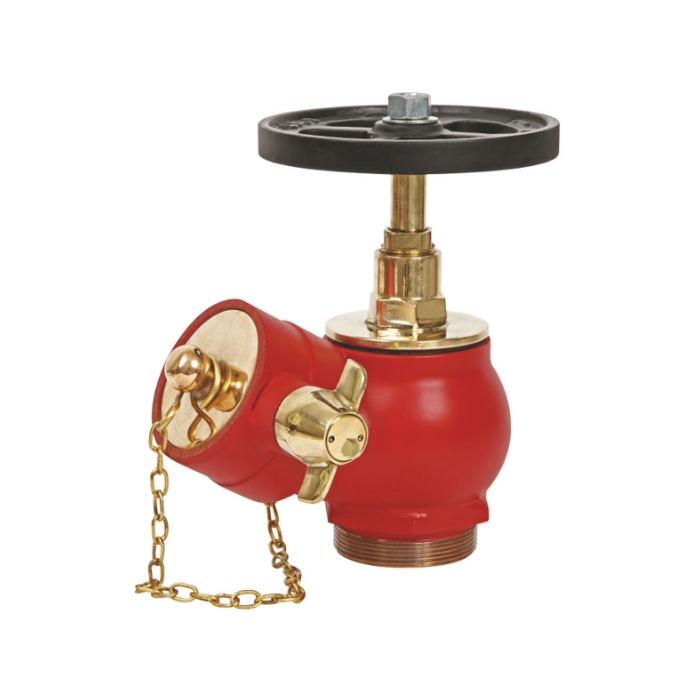

What is a Landing Valve
A landing valve is a fire water outlet installed as part of a building's internal fire protection system, typically connected to a wet riser or dry riser network. It provides firefighters with a controlled water outlet at specific points inside a building, usually on each floor or landing area.
Landing valves are designed for internal firefighting operations and are activated during emergencies when firefighters connect hoses to the valve outlet.
Key characteristics of landing valves
Installed inside buildings, commonly in stairwells or riser cabinets
Connected to vertical riser fire protection systems
Provides water outlet for hose connection during firefighting
Typically used in high-rise buildings and large commercial structures
Designed for quick manual operation under emergency conditions
Function in fire protection systems
The main function of a landing valve is to provide immediate water access inside a building. It ensures that firefighters can fight fires at different levels without relying solely on external water sources.
What is a Hydrant Valve
A hydrant valve is a component of an external fire hydrant system. It is installed on fire hydrants located outdoors and is connected to municipal water supply networks or private fire water systems. Hydrant valves are used to supply water to fire hoses or fire engines during firefighting operations.
Hydrant valves are commonly found in urban infrastructure, industrial facilities, and large outdoor fire protection systems.
Key characteristics of hydrant valves
Installed outdoors in streets, industrial sites, or facility perimeters
Connected to underground or above-ground water supply systems
Used by fire trucks or firefighters with external hose connections
Commonly used in municipal and industrial fire protection systems
Usually constructed from durable materials such as brass or cast iron
Function in fire protection systems
The hydrant valve provides high-volume water supply from external sources. It supports firefighting operations by delivering continuous water flow to fire engines or hose lines.
Landing Valve vs Hydrant Valve: Main Differences
Although both valves are part of fire protection systems, they differ significantly in design, application, and usage.
1. Installation location
Landing valves are installed inside buildings as part of internal riser systems. Hydrant valves are installed outdoors as part of municipal or industrial hydrant networks.
2. System integration
Landing valves are connected to vertical fire riser systems that serve multi-floor buildings. Hydrant valves are connected to underground pipelines or external fire water mains.
3. Usage scenario
Landing valves are used for internal firefighting operations within buildings. Hydrant valves are used for external firefighting support, typically by fire engines or ground crews.
4. Water supply source
Landing valves rely on building fire pumps or internal water storage systems. Hydrant valves rely on external municipal or dedicated industrial water supply systems.
5. Application environments
Landing valves are commonly used in high-rise residential buildings, commercial complexes, and office towers. Hydrant valves are widely used in industrial plants, warehouses, petrochemical facilities, and urban fire networks.
Importance in Fire Protection Design
Both landing valves and hydrant valves are essential components of a comprehensive fire protection system. They work together to ensure that water supply is available both inside and outside a building or facility.
Landing valves provide immediate access for internal firefighting, while hydrant valves ensure external high-capacity water support. Proper integration of both systems improves overall fire safety performance and emergency response efficiency.
Conclusion
Landing valves and hydrant valves serve different but complementary roles in fire protection systems. Landing valves are designed for internal building firefighting access, while hydrant valves provide external water supply for large-scale firefighting operations. Understanding their differences is essential for engineers, contractors, and fire protection system designers to ensure effective and reliable fire safety solutions.