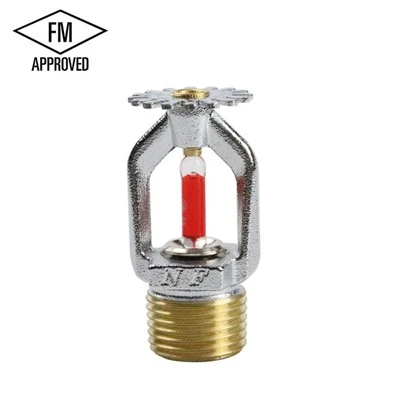
Fire sprinkler systems in large buildings are often divided into separate zones to improve system control, monitoring, and maintenance. In commercial complexes, high-rise buildings, and industrial facilities, a single sprinkler network may cover a large area with different occupancy types and fire protection requirements.
Dividing the system into zones helps make fire protection management more organized and practical.
1. Easier System Monitoring
Each sprinkler zone can be monitored through its associated control and alarm equipment. When water flow or another abnormal condition is detected, the affected zone can be identified more easily.
This helps building operators and maintenance personnel understand where a system event has occurred and respond more efficiently.
2. Isolating Areas During Maintenance
Zone control valves allow specific sections of a sprinkler system to be isolated when inspection, repair, or maintenance is required.
Without proper zoning, maintenance work may require shutting down a much larger part of the system. Separate zones can help limit the affected area, although the remaining fire protection coverage and any required temporary precautions must still be considered.
3. Managing Large and Complex Buildings
Large buildings may contain offices, retail spaces, storage areas, parking facilities, and other spaces with different layouts and fire risks.
Zoning helps organize the sprinkler network according to building areas, floors, or other suitable design arrangements. It also makes system documentation, inspection, and operational management easier.
4. What Should Be Considered When Planning Sprinkler Zones?
Zone arrangements should be determined during the fire protection design stage. Important considerations include:
Building layout, floor area, and occupancy type
Water supply capacity and hydraulic requirements
Location and accessibility of control valves
Alarm monitoring and zone identification
Applicable fire protection codes and project specifications
The number and size of zones should follow the approved system design rather than a universal fixed rule.
Conclusion
Dividing a fire sprinkler system into zones improves monitoring, maintenance, and management, particularly in large or complex buildings. Proper zoning helps identify system events and isolate specific areas when necessary while supporting the overall operation of the fire protection system.