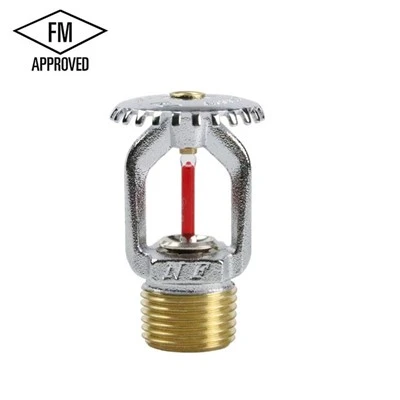
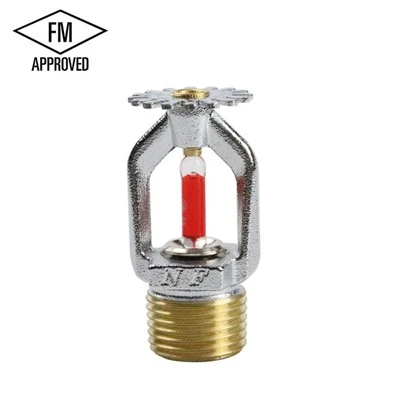
Fire sprinkler systems are designed according to building risk level, occupancy type, and fire load characteristics. A properly designed system plays a critical role in providing early fire detection and effective water distribution to control or suppress fire at its initial stage.
The design of a fire sprinkler system involves several key technical factors. Hydraulic calculation is essential to ensure that adequate water flow and pressure are available throughout the system. Sprinkler spacing must be carefully planned to achieve uniform coverage and avoid protection gaps. Water supply pressure and system capacity must also be evaluated based on building size and hazard classification.
International standards such as NFPA 13 are widely adopted to guide fire sprinkler system design. These standards define installation requirements, design densities, and safety criteria to ensure consistent system performance across different building types and applications.
Sprinkler selection is another important aspect of system design. Different types of sprinkler heads, including pendent, upright, sidewall, and ESFR models, are used depending on building structure and fire risk category. For example, ESFR sprinklers are commonly applied in high-piled storage warehouses, while pendent and sidewall types are more suitable for commercial and office buildings.
A correctly designed fire sprinkler system ensures reliable performance, improves response efficiency, and provides effective protection for both property and life safety in modern buildings.