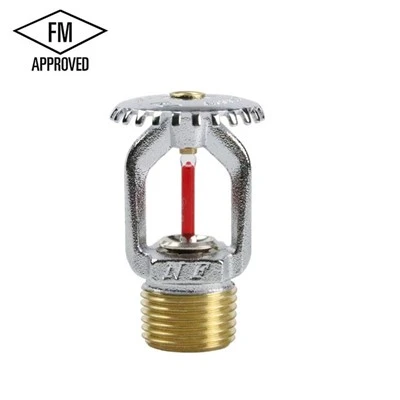
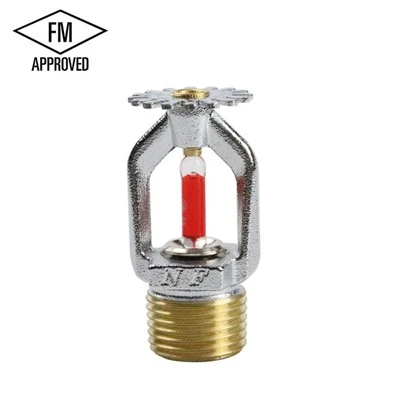
Many buyers and engineers assume all fire sprinklers are the same, but certification matters significantly. Misunderstandings about FM, UL, and EN standards can lead to safety risks, project delays, or non-compliance issues. Understanding the facts ensures effective fire protection and compliance with international regulations.
Misconception 1: All Sprinklers Are Safe
Not all sprinklers are created equal. Only certified products undergo rigorous testing for flow rate, pressure, and temperature resistance. Non-certified or low-quality products may fail during a fire, risking property and lives.
Misconception 2: Certification Is Just a Label
Some believe that having a label is enough. In reality, certification demonstrates real performance and reliability, verified by independent testing labs. FM, UL, and EN certifications ensure the sprinkler will work as designed in emergencies.
Misconception 3: Low-Cost Sprinklers Are Just as Good
Choosing cheaper sprinklers without certification can reduce initial costs but increase long-term risks. Failures, frequent replacements, or insurance issues can cost far more than investing in certified fire sprinklers.
Misconception 4: One Certification Fits All Projects
Different regions and projects require different standards. FM, UL, and EN certifications each have specific testing criteria and applications. Selecting the wrong certification can lead to compliance issues or rejected project approvals.
Conclusion
Understanding and debunking these misconceptions ensures fire systems are safe, reliable, and compliant. Always prioritize certified fire sprinklers for long-term safety, performance, and peace of mind.