


As a supplier of pendent fire sprinklers, I've witnessed firsthand the critical role these devices play in safeguarding lives and property. However, when it comes to cold climates, a significant concern looms large: the freezing of pendent fire sprinklers. In this blog, we'll delve into the issues associated with this problem, explore potential solutions, and discuss how it impacts the reliability of fire protection systems.
Understanding Pendent Fire Sprinklers
Before we dive into the freezing issues, let's briefly understand what pendent fire sprinklers are. Pendent sprinklers are the most common type of fire sprinkler heads, hanging down from the ceiling. They are designed to quickly detect and suppress fires by releasing water when the ambient temperature reaches a certain threshold. These sprinklers are an essential component of fire suppression systems in various settings, including commercial buildings, warehouses, and residential homes.
When a fire breaks out, the heat activates a heat-sensitive element in the sprinkler head, which then releases a plug, allowing water to flow through the sprinkler and onto the fire. Their design ensures that water is distributed evenly over the protected area, maximizing the effectiveness of fire suppression.
The Freezing Problem in Cold Climates
In cold climates, the temperature can drop significantly below freezing, posing a serious threat to the functionality of pendent fire sprinklers. When the water inside the sprinkler pipes freezes, it expands, which can lead to several issues:

Pipe Bursting
One of the most severe consequences of frozen water in sprinkler pipes is pipe bursting. As water freezes and expands, it creates immense pressure inside the pipes. This pressure can exceed the pipe's capacity, causing it to rupture. Once a pipe bursts, the entire fire sprinkler system can be compromised, rendering it ineffective in the event of a fire. Even a small leak can lead to water damage in the building, and a major burst can cause extensive flooding and structural damage.
Blockage of Sprinkler Heads
Freezing can also cause blockages in the sprinkler heads themselves. Ice can form inside the tiny orifices of the sprinkler, preventing water from flowing out properly when the sprinkler is activated. This blockage can reduce the amount of water reaching the fire, or even prevent the sprinkler from operating altogether. In a fire situation, this can mean the difference between containing the fire quickly and allowing it to spread out of control.
Reduced System Pressure
When pipes freeze, they can restrict the flow of water through the system, leading to a drop in system pressure. Low pressure can affect the performance of all the sprinklers in the system, reducing their ability to suppress fires effectively. Even if the sprinklers are not completely blocked, the reduced pressure may result in a weaker water spray, which may not be sufficient to extinguish the fire.
Impact on Fire Protection Reliability
The freezing of pendent fire sprinklers has a direct impact on the reliability of fire protection systems. Fire sprinklers are designed to be the first line of defense against fires, and any malfunction can have catastrophic consequences. In a building where the sprinkler system fails due to freezing, the fire can spread rapidly, endangering the lives of occupants and causing significant damage to the property.
Insurance companies recognize the importance of reliable fire protection systems. A compromised sprinkler system due to freezing can lead to increased insurance premiums or even a denial of coverage. Additionally, building owners may face legal liabilities if their fire protection systems are found to be non - compliant due to freezing issues.
Preventive Measures
To mitigate the risk of freezing in pendent fire sprinklers, several preventive measures can be taken:
Insulation
Proper insulation of sprinkler pipes is crucial in cold climates. Insulation helps to maintain the temperature of the water inside the pipes above freezing. There are various types of insulation materials available, such as foam insulation sleeves, which can be wrapped around the pipes. Insulation should be installed on all exposed pipes, including those in attics, crawl spaces, and unheated areas of the building.
Heating Systems
In extremely cold climates, installing heating systems for the sprinkler pipes may be necessary. Electric heat tracing cables can be installed along the pipes to provide a constant source of heat. These cables are designed to prevent the water inside the pipes from freezing. They are typically controlled by a thermostat, which activates the heating when the temperature drops below a certain level.
Use of Antifreeze Solutions
Another option is to use antifreeze solutions in the sprinkler system. These solutions lower the freezing point of the water, reducing the risk of freezing. However, the use of antifreeze solutions must be carefully regulated, as some antifreeze agents can be corrosive to the pipes and sprinkler components. It's important to choose an antifreeze solution that is compatible with the sprinkler system materials and meets all relevant safety standards.
Other Types of Sprinklers and Their Suitability
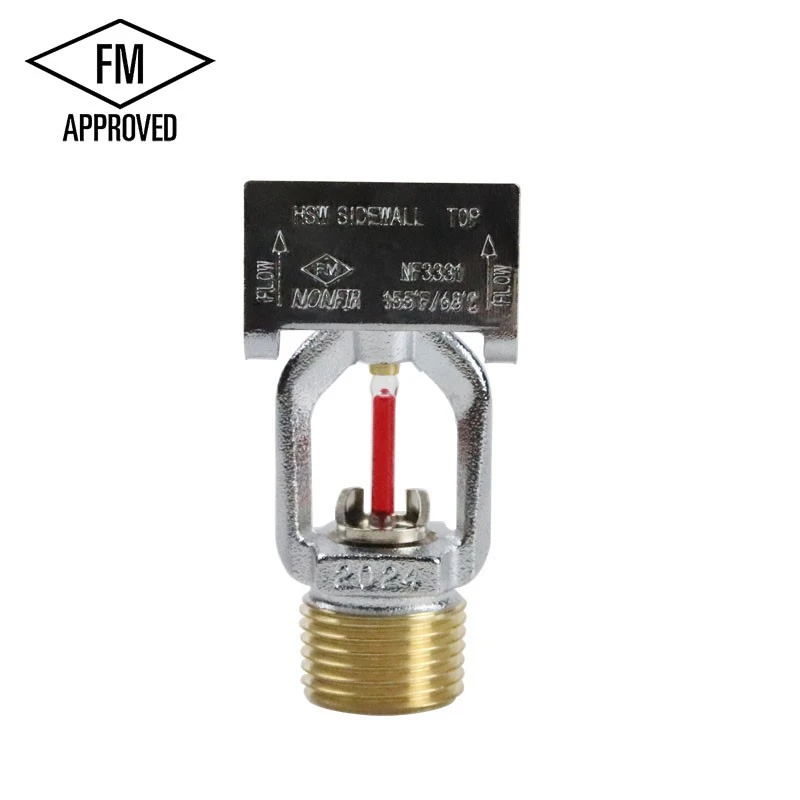
When dealing with cold climates, it's also worth considering other types of sprinklers. Sidewall Sprinklers are installed on the walls rather than the ceiling. They can be a good alternative in some situations, as they may be less exposed to extreme cold compared to pendent sprinklers. Sidewall sprinklers are often used in areas with limited ceiling space or where a specific water distribution pattern is required.
Upright Sprinklers are installed with the sprinkler head pointing upwards. They can also be a viable option, especially in areas where the risk of freezing is high. Upright sprinklers may be easier to protect from freezing as they are often located in areas with better heat distribution.
Fire Suppression Sprinkler Heads come in various types and designs, each with its own advantages and disadvantages. When choosing a sprinkler system for a cold - climate building, it's important to consult with a fire protection professional to determine the most suitable type of sprinklers and the best preventive measures to ensure the system's reliability.
Conclusion
The freezing of pendent fire sprinklers in cold climates is a serious issue that can compromise the effectiveness of fire protection systems. Building owners and facility managers need to be aware of the potential risks and take proactive steps to prevent freezing. By implementing proper insulation, heating systems, and using appropriate antifreeze solutions, the risk of freezing can be significantly reduced.
As a supplier of pendent fire sprinklers, I understand the importance of providing reliable products and solutions. If you are facing challenges with fire sprinkler systems in cold climates or are looking to install a new system, I encourage you to reach out for a consultation. We can help you choose the right sprinklers and implement the necessary preventive measures to ensure the safety and reliability of your fire protection system.
References
- NFPA 13: Standard for the Installation of Sprinkler Systems. National Fire Protection Association.
- ASHRAE Handbook: HVAC Systems and Equipment. American Society of Heating, Refrigerating and Air - Conditioning Engineers.
- "Fire Sprinkler System Design and Installation Guide" by the International Code Council.


